Author: AsimAli

Which AI automation tools are easiest to use?Which AI automation tools are easiest to use?

Choosing the right AI automation tools can feel harder than using them. The market is full of platforms promising to automate repetitive work, connect business apps, generate content, manage customer conversations, analyze data, and improve productivity. The problem is that many tools are designed with different users in mind.

For most people, the easiest AI automation tools are the ones that combine a visual interface, ready-made templates, simple integrations, and AI features that can understand instructions written in normal language. These tools allow users to build useful automations without spending weeks learning how the platform works.

The easiest option, however, depends on what you want to automate. A small business owner may need to automate customer inquiries. A marketing professional may want to create content workflows. A sales team may need to organize leads automatically. An office worker might simply want to summarize documents, draft emails, or turn meeting notes into action items.

In this guide, we will look at which AI automation tools are easiest to use, what makes them beginner-friendly, how they compare, and how to choose one that fits your actual needs. The goal is not to find the tool with the longest feature list. It is to find the tool that helps you get useful work done with the least friction.

What Makes an AI Automation Tool Easy to Use?

Ease of use is more than having a clean-looking dashboard. A tool can have a beautiful interface and still be confusing once you start building real workflows.

The easiest AI automation tools usually share several characteristics. They have simple setup processes, visual workflow builders, clear instructions, prebuilt templates, and integrations with popular applications. They also make it easy to test an automation before turning it on permanently.

Another important factor is how much technical knowledge is required. If a user needs to understand webhooks, JSON formatting, authentication tokens, API requests, and complex conditional logic just to create a basic workflow, the platform may not be ideal for a beginner.

Good AI automation tools reduce this complexity. Instead of asking users to build everything from scratch, they provide guided steps. You might select an application, choose an event, describe what you want to happen, and let the platform handle much of the technical work.

AI itself can make automation easier. Modern platforms increasingly allow users to describe what they want in plain language. Instead of manually configuring every step, you can explain the desired outcome and then adjust the workflow.

The easiest tools also provide useful error messages. This matters more than many beginners realize. Every automation eventually encounters a problem. A good platform tells you what went wrong and gives you enough information to fix it.

The Easiest AI Automation Tools for Beginners

There is no single winner for everyone, but several categories stand out for ease of use.

Tools such as Zapier are often considered accessible because they let users connect applications through visual workflows. Platforms such as Make offer more flexibility while still providing a visual builder. AI-focused platforms can be useful when the main objective is content creation, research, communication, or task assistance.

Other tools, including Microsoft Power Automate, are particularly convenient for organizations already using Microsoft 365. Similarly, businesses deeply invested in Google Workspace may find Google's AI and automation ecosystem easier to adopt.

The right choice depends heavily on your existing software environment.

Zapier: One of the Easiest Starting Points

Zapier is often one of the first names people encounter when they search for easy automation. Its appeal comes from its straightforward approach to connecting applications.

A typical automation follows a simple structure. Something happens in one application, and Zapier performs an action somewhere else. For example, a new form submission could create a spreadsheet record, send a notification, and trigger an email response.

This basic model is easy to understand, even for someone who has never worked with automation before.

Zapier also provides templates that reduce the amount of work required to create a workflow. Instead of starting with a blank screen, users can select a common workflow and customize it.

Its AI capabilities can make workflow creation even more accessible. Users can describe what they want to accomplish and then refine the resulting automation.

The biggest advantage for beginners is that Zapier focuses heavily on usability. You do not necessarily need to understand how APIs work behind the scenes to connect many popular services.

The limitation is that advanced workflows can become more complicated. Pricing can also become an important consideration as automation volume increases.

Still, for someone asking which AI automation tools are easiest to use, Zapier is a strong starting point for basic business and productivity automation.

Make: Easy to Start, Powerful to Grow

Make is another popular option for visual automation. It is particularly appealing to users who want more control over how their workflows operate.

Instead of seeing an automation as a simple linear sequence, Make allows users to visually design more complex processes. Workflows can branch into different paths, process data, and perform multiple actions.

This flexibility is useful when your automation needs become more sophisticated.

For example, you could create a workflow that receives a customer inquiry, analyzes its content, identifies the type of request, sends it to the appropriate team, and records the interaction in another system.

Make can handle these types of workflows without requiring traditional programming. However, its greater flexibility means there is a slightly steeper learning curve compared with simpler automation platforms.

For complete beginners, the visual interface may initially look overwhelming. Once the basic concepts become familiar, however, the platform becomes much easier to understand.

I would describe Make as a good choice for people who want to start simple but expect their automation needs to become more advanced over time.

Microsoft Power Automate: Best for Microsoft Users

Microsoft Power Automate is especially attractive for organizations already using Microsoft products.

If your business relies on Outlook, Excel, Teams, SharePoint, OneDrive, and other Microsoft services, Power Automate can fit naturally into your existing workflow.

For example, a company could automatically save email attachments to a specific location, notify a team when a document changes, or create approval workflows.

The platform can also be used alongside Microsoft's AI capabilities, making it useful for more intelligent workflows.

One of its biggest advantages is ecosystem integration. If your work already happens inside Microsoft's environment, you may not need to connect as many external applications.

The learning curve depends on what you are trying to build. Simple workflows can be relatively easy, while advanced business processes may require more understanding.

For Microsoft-heavy organizations, however, Power Automate can be among the easiest AI automation tools to adopt because it works within an environment employees already know.

Google Workspace Automation: Convenient for Google Users

Google Workspace users have access to a wide range of automation possibilities through Google's ecosystem.

Businesses that depend on Gmail, Google Sheets, Google Drive, Google Forms, and Google Calendar can automate many repetitive tasks around these services.

For example, form responses can be organized automatically in spreadsheets. Email information can be processed and recorded. Calendar-related tasks can be connected to other workflows.

The major advantage is familiarity. Employees do not have to move into an entirely new software environment to benefit from automation.

Google's AI features can also help with writing, summarization, organization, and productivity tasks.

For users who primarily work inside Google Workspace, this approach can be easier than adopting a completely separate automation platform.

The main limitation is that more complex cross-platform automation may require additional services or tools.

ChatGPT: Easy for AI-Assisted Workflows

AI assistants such as ChatGPT are among the easiest tools for people who want to automate parts of their knowledge work.

You do not necessarily need to build a traditional workflow to benefit from AI. You can use natural language to ask for summaries, drafts, explanations, ideas, data interpretation, and content transformations.

This makes AI assistance accessible to nontechnical users.

For example, a marketing professional can use AI to turn rough notes into a polished article. A manager can summarize a long document. A support employee can create a professional response based on a customer's message.

These tasks are not always full automation because a person may still need to review the output. However, they can significantly reduce repetitive manual work.

The important distinction is between AI assistance and true automation. Asking an AI to summarize a document is assistance. Creating a workflow that automatically receives documents, summarizes them, stores the result, and alerts the right person is closer to full automation.

For beginners, starting with AI assistance can be a practical way to learn how AI fits into everyday work before moving toward more complex automation.

Notion AI: Easy for Organizing Knowledge

Notion AI is useful for people who already use Notion as a workspace for documents, projects, notes, and knowledge management.

Its advantage is that AI capabilities are built into a familiar productivity environment.

Users can summarize pages, improve writing, extract information, and organize ideas without moving between multiple applications.

This makes it particularly easy for teams that use Notion for project management or internal documentation.

Notion AI is not necessarily a replacement for a dedicated workflow automation platform. Its strength is helping people work more efficiently with information already stored in their workspace.

For users who want AI embedded directly into their everyday documentation and knowledge workflows, it can be a convenient option.

Airtable: Easy for Structured Business Workflows

Airtable combines the familiarity of spreadsheets with database-style organization and automation capabilities.

This makes it useful for teams managing structured information such as leads, content calendars, projects, inventory, or customer records.

A simple example might involve a content team maintaining a database of article ideas. When a new record reaches a particular status, an automation could notify a writer or trigger another action.

Airtable's visual structure makes data easier to understand than traditional databases for many nontechnical users.

The platform becomes especially useful when AI is added to workflows involving structured information. AI can help categorize records, summarize text, or extract useful information from unstructured content.

For businesses that need both data organization and automation, Airtable can be relatively easy to learn.

How Easy Are AI Agents to Use?

AI agents are becoming an important part of automation, but they require a slightly different mindset.

Traditional automation generally follows predefined instructions. If X happens, do Y.

AI agents can operate with more flexibility. They may interpret information, make decisions based on instructions, and complete multiple steps.

This can make them powerful but also harder to control.

For simple tasks, AI agents can be easy to use because you describe the objective and provide instructions. However, creating reliable agents for important business processes requires careful testing.

The biggest challenge is unpredictability. A traditional workflow usually behaves in a predictable way. An AI agent may interpret the same situation differently depending on the information it receives.

For this reason, beginners should start with narrow tasks. An agent that summarizes incoming information is easier to manage than one responsible for making important business decisions.

The easiest AI automation tools are generally those that let you combine AI reasoning with clear rules and human approval.

Which Tools Are Best for Different Users?

The easiest platform depends on the user's situation.

For a complete beginner who wants to connect everyday applications, Zapier is often a practical starting point.

For someone who wants visual control over complex workflows, Make may be a better long-term choice.

For organizations built around Microsoft products, Power Automate can provide a natural experience.

For Google Workspace users, Google's ecosystem may be the simplest option.

For people focused on writing, summarizing, brainstorming, and knowledge work, ChatGPT can be one of the easiest ways to begin using AI.

For teams managing documents and internal knowledge, Notion AI can be convenient.

For structured business information, Airtable can provide a useful combination of data management and automation.

The key point is that ease of use is contextual. The platform that is easiest for one person may be unnecessarily complicated for another.

What Tasks Are Easiest to Automate?

The best tasks for automation are usually repetitive, predictable, and time-consuming.

Data entry is an obvious example. If employees repeatedly copy information from one application to another, automation can often eliminate that manual work.

Email notifications are another good candidate. Instead of asking employees to constantly monitor systems, automated alerts can notify them when specific events occur.

Lead management can also benefit from automation. New leads can be recorded, categorized, assigned, and followed up with automatically.

Document processing is becoming increasingly suitable for AI automation. AI can extract information from documents, summarize content, classify text, and route information to the appropriate location.

Customer support is another major area. AI can answer basic questions, categorize requests, and route complicated issues to human employees.

The easiest tasks to automate are those where the desired outcome is clear and measurable.

What Tasks Should Not Be Fully Automated?

Automation is not automatically better simply because it is possible.

Some tasks require human judgment, empathy, accountability, or deep contextual understanding.

Important financial decisions should generally have appropriate human oversight. Sensitive customer situations may require a person who can understand emotional context.

Legal, medical, security, and other high-risk processes also require careful controls.

Even when AI handles most of a workflow, human review can remain important.

A good automation strategy does not aim to remove people from every process. It removes unnecessary repetitive work so people can focus on decisions that actually require human involvement.

How to Choose the Easiest Tool for Your Needs

Start by identifying the exact task you want to automate.

Do not begin by browsing hundreds of tools. That usually creates more confusion.

Write down the current process step by step.

For example, perhaps an employee receives an email, copies information into a spreadsheet, sends a notification, and updates a project management system.

Once you understand the process, identify which steps are repetitive.

Then consider your existing software.

If your team already uses Microsoft 365, Power Automate may be a natural choice. If you use Google Workspace, staying within that ecosystem may reduce complexity.

Next, consider how much flexibility you need.

If you only need simple connections between applications, a straightforward automation platform may be enough. If you need branching workflows and complex data processing, you may want a more advanced platform.

You should also consider the number of people who will use the system.

A tool that is easy for one technical employee may be difficult for an entire team. If several employees need to maintain workflows, choose a platform that most users can understand.

Finally, consider the cost of failure.

A workflow that sends an occasional incorrect notification is relatively low risk. A workflow that changes financial records or sends important customer communications requires much stronger controls.

Common Mistakes Beginners Make

One of the biggest mistakes is trying to automate everything at once.

Start with one small process. Learn how it works. Measure the results. Then expand.

Another mistake is creating workflows without clear documentation.

Even simple automations should have understandable names and descriptions. Otherwise, nobody may remember why a workflow exists six months later.

People also sometimes trust AI output too quickly.

AI can make mistakes. It can misunderstand instructions or produce inaccurate information. Automated systems should therefore include appropriate validation and review.

Another common problem is ignoring exceptions.

A workflow may work perfectly under normal conditions but fail when information is missing or formatted differently.

Good automation design considers what happens when things go wrong.

Finally, avoid automating a bad process.

If a workflow is unnecessarily complicated, automation may simply make the complicated process happen faster. Before automating, ask whether the process itself can be simplified.

How to Start Using AI Automation Tools

The best approach is to start with a low-risk task.

Choose something repetitive but not business-critical.

For example, automate internal notifications or organize routine information.

Build the workflow with the simplest possible structure.

Test it with real examples before enabling it for everyone.

Monitor the results for a few weeks.

Look for errors, unexpected behavior, and opportunities to improve.

Once the workflow is reliable, move to the next process.

This gradual approach is much safer than attempting a massive automation project immediately.

It also helps employees become comfortable with automation. People are more likely to accept new technology when they can see clear benefits without feeling that the entire way they work has suddenly changed.

The Future of Easy AI Automation

AI automation is becoming easier because the technology is moving closer to natural language.

In the past, users often had to understand technical concepts to create workflows. Increasingly, platforms allow users to describe their goals and let AI assist with the setup.

This does not mean technical knowledge will become irrelevant. Advanced users will still need to understand data, security, integrations, permissions, and system design.

However, the barrier to entry is becoming lower.

The future will likely involve a combination of traditional automation, AI assistants, and AI agents.

Simple rules will continue to handle predictable tasks. AI will handle tasks involving language and interpretation. Agents may manage more complicated processes that require multiple steps.

The most successful organizations will probably not be those that automate the most tasks. They will be the ones that automate the right tasks while maintaining appropriate human oversight.

Conclusion

So, which AI automation tools are easiest to use?

For many beginners, Zapier is an accessible starting point because of its simple visual approach and broad application integrations. Make is attractive when you want more flexibility and control. Microsoft Power Automate is a strong option for organizations already working heavily with Microsoft products. Google-based users may find automation within the Google ecosystem convenient. ChatGPT is highly accessible for AI-assisted knowledge work, while Notion AI and Airtable are useful for specific productivity and information-management needs.

The most important lesson is that there is no universal easiest tool.

The easiest tool is the one that matches your existing technology, your team's skills, and the problem you actually need to solve. A beginner does not need the most advanced platform available. They need a platform that allows them to create one useful workflow without unnecessary complexity.

When evaluating AI automation tools, focus on practical usability rather than impressive feature lists. Look for clear interfaces, templates, reliable integrations, helpful documentation, easy testing, and understandable error messages. Also consider whether the platform can grow with you as your automation needs become more advanced.

Start small. Pick one repetitive task. Build a simple workflow. Test it carefully. Measure how much time it saves. Then improve it.

That approach is more effective than trying to automate an entire business overnight.

Ultimately, the easiest AI automation tools are the ones that make technology feel less like a technical project and more like a practical assistant. When implemented thoughtfully, they can reduce repetitive work, improve consistency, speed up everyday processes, and give people more time to focus on tasks that genuinely require human thinking.

The goal should never be automation for its own sake. The goal should be better work with less unnecessary effort. Once you understand that principle, choosing the right tool becomes much easier.


What To Do After Laser Hair Removal Boca Raton?What To Do After Laser Hair Removal Boca Raton?

Laser hair removal boca raton has become a popular choice for people who want smoother skin and a long-term solution for unwanted hair. While the treatment itself is important, what you do after your appointment can greatly affect your comfort, skin recovery, and overall results. Proper aftercare helps protect your skin, reduces irritation, and allows the treated area to heal correctly.

Many people focus only on the procedure and forget that the days following laser hair removal boca raton are just as important. Your skin has been exposed to controlled laser energy that targets hair follicles, so it needs gentle care and protection afterward.

Whether you have treated your legs, arms, face, underarms, bikini area, or another part of your body, following the right steps after your session can make a noticeable difference. This guide explains exactly what to do after your treatment, what to avoid, and how to maintain healthy skin throughout your laser hair removal journey.

What Happens After Laser Hair Removal

After a laser hair removal session, your skin may feel slightly different for a short period. The laser works by directing energy into the hair follicle, which absorbs the light and converts it into heat. This process damages the follicle’s ability to produce future hair growth.

Because the skin surrounding the follicle also receives some energy, temporary reactions are common.

You may notice:

  • Mild redness
  • Slight swelling around hair follicles
  • Warmth or sensitivity
  • Small bumps that look similar to goosebumps
  • Temporary itching

These reactions usually mean your skin is responding normally to treatment. Most people experience improvement within a few hours, although sensitive areas may take slightly longer.

A professional laser hair removal boca raton provider will usually give personalized aftercare instructions based on your skin type, hair thickness, and treatment area.

Cool the Treated Area Immediately

One of the first things you should do after your appointment is help your skin calm down.

Laser energy creates heat in the hair follicle, so cooling the area can reduce discomfort and redness. A clean cold compress can be placed gently on the treated area for several minutes at a time.

Avoid placing ice directly on your skin because extreme cold can irritate already sensitive skin. Instead, wrap ice packs or frozen items in a soft towel before applying them.

Cooling methods may include:

  • A clean cold washcloth
  • A gel ice pack wrapped in fabric
  • A cooling skincare product recommended by your provider

Keeping the skin comfortable during the first few hours after treatment supports a smoother recovery.

Avoid Touching or Scratching Your Skin

After laser treatment, your skin may feel itchy or sensitive. However, touching, rubbing, or scratching the area can create unnecessary irritation.

Your hands carry bacteria, and frequently touching treated skin can increase the chance of irritation or small breakouts.

Try to:

  • Keep your hands away from treated areas
  • Avoid rubbing with towels
  • Pat your skin dry after washing
  • Wear soft clothing that does not create friction

This simple habit can prevent many common aftercare problems.

Apply Gentle Moisturizer

Your skin may feel dry after laser hair removal because the treatment temporarily affects the outer skin barrier.

Using a gentle, fragrance-free moisturizer can help maintain hydration and comfort. Choose products designed for sensitive skin because heavily scented lotions may cause irritation.

Good moisturizer choices usually contain soothing ingredients such as:

  • Aloe vera
  • Ceramides
  • Hyaluronic acid
  • Gentle hydrating compounds

Avoid products containing strong active ingredients immediately after treatment unless your provider approves them.

The goal during the recovery period is simple: keep the skin calm, clean, and hydrated.

Protect Your Skin From Sun Exposure

Sun protection is one of the most important steps after laser hair removal boca raton treatments.

Freshly treated skin can be more sensitive to sunlight. Excessive sun exposure can increase the risk of irritation, discoloration, or uneven skin tone.

For several days after treatment:

  • Avoid direct sunlight when possible
  • Apply broad-spectrum sunscreen
  • Wear protective clothing
  • Avoid tanning beds

A sunscreen with SPF 30 or higher is commonly recommended for exposed areas.

Sun protection is important before and after every session because tanning can affect how safely the laser targets the hair pigment.

Avoid Hot Showers and Heat Exposure

Many people enjoy hot showers, saunas, and steam rooms, but these activities are not ideal immediately after laser treatment.

Heat can increase skin sensitivity and make redness last longer.

For the first 24 to 48 hours, consider avoiding:

  • Hot baths
  • Saunas
  • Steam rooms
  • Hot yoga
  • Very intense heat exposure

Use lukewarm water when showering and treat your skin gently.

Skip Intense Exercise Temporarily

Exercise increases body temperature and sweating, which may irritate freshly treated skin.

After your session, it is usually better to avoid intense workouts for at least 24 hours, especially if you treated areas that experience friction or sweating.

For example, after underarm or bikini treatments, heavy exercise may cause discomfort because sweat and friction can bother sensitive skin.

Light activities such as walking are generally easier on your skin during the recovery period.

Avoid Scrubs and Exfoliation

Exfoliation is useful for healthy skin, but timing matters.

Immediately after laser hair removal, your skin needs time to recover. Physical scrubs, exfoliating brushes, and strong chemical exfoliants can create irritation.

Avoid:

  • Body scrubs
  • Exfoliating gloves
  • Retinol products
  • Strong acids
  • Harsh skincare treatments

Your provider may recommend gentle exfoliation after several days to help remove treated hairs that naturally shed from the follicles.

Do Not Wax or Pluck Between Sessions

Laser hair removal works by targeting hair follicles, and the laser needs the hair root present to be effective.

Between appointments, avoid methods that remove hair from the root, including:

  • Waxing
  • Tweezing
  • Threading

These methods can interfere with future treatments.

If hair appears between sessions, shaving is usually preferred because it leaves the follicle intact.

Understand Normal Hair Shedding

A common question after laser hair removal boca raton treatments is why hair still appears after the appointment.

Many people expect immediate smoothness, but laser hair removal does not remove every treated hair instantly.

Instead, treated hairs usually shed gradually over several days or weeks.

The process may look like:

  1. Hair remains visible after treatment.
  2. The follicle begins releasing the treated hair.
  3. Hair falls out naturally.
  4. New growth becomes reduced over time.

Do not pull out hairs that appear loose. Allow your body to complete the shedding process naturally.

Follow Your Treatment Schedule

Laser hair removal requires multiple sessions because hair grows in different cycles.

A single appointment cannot target every hair follicle during its active growth stage.

Following your recommended schedule helps improve long-term results.

Missing appointments may slow progress because untreated follicles may continue producing hair.

Your provider may recommend sessions spaced several weeks apart depending on:

  • Treatment area
  • Hair growth pattern
  • Skin type
  • Individual response

Consistency is one of the biggest factors in achieving successful results.

Use Gentle Skincare Products

After laser treatment, your normal skincare routine may need temporary adjustments.

Avoid aggressive products and focus on gentle care.

Helpful skincare habits include:

  • Washing with mild cleansers
  • Using fragrance-free products
  • Keeping skin moisturized
  • Avoiding unnecessary treatments

If you regularly use prescription skincare products, ask your provider when it is safe to restart them.

What Should You Avoid After Laser Hair Removal?

Knowing what not to do is just as important as knowing what to do.

Common mistakes include:

Avoid Tanning

Tanning changes the amount of pigment in your skin and may increase sensitivity.

Avoid tanning before and after sessions unless your provider gives different instructions.

Avoid Tight Clothing

Tight clothing can create friction against sensitive skin.

Loose, breathable fabrics are usually more comfortable after treatment.

Avoid Strong Chemicals

Perfumes, harsh deodorants, and strong skincare ingredients may irritate recently treated areas.

Give your skin time to recover before returning to stronger products.

Avoid Picking Skin Changes

Small bumps or mild redness are usually temporary.

Picking, squeezing, or scratching can prolong irritation.

Caring for Different Treatment Areas

Different body areas may require slightly different care.

Facial Laser Hair Removal

The face is often more sensitive than other areas.

After facial treatment:

  • Avoid heavy makeup immediately afterward if your skin feels irritated
  • Use gentle skincare products
  • Apply sunscreen daily
  • Avoid unnecessary touching

Underarm Laser Hair Removal

Underarms experience sweat and friction, so extra care is useful.

Avoid:

  • Strong deodorants immediately after treatment
  • Tight clothing
  • Heavy workouts

Bikini Area Laser Hair Removal

This area can be sensitive because of friction and clothing.

Choose breathable fabrics and avoid activities that create irritation shortly after treatment.

Leg Laser Hair Removal

Leg treatments usually cover larger areas.

Moisturizing and sun protection are especially important because legs are often exposed outdoors.

Signs That You Should Contact Your Provider

Most reactions after laser hair removal are mild and temporary. However, contact your provider if you experience unusual symptoms.

Seek professional advice if you notice:

  • Severe pain
  • Large blisters
  • Significant swelling
  • Burning sensations that continue
  • Unusual skin changes

A qualified provider can evaluate your skin and recommend appropriate care.

How To Maintain Long-Term Results

Laser hair removal can significantly reduce unwanted hair, but maintenance is important.

Healthy habits that support long-term results include:

  • Following your treatment plan
  • Protecting your skin from the sun
  • Keeping your skin moisturized
  • Avoiding unnecessary irritation
  • Attending follow-up appointments

Some people may need occasional maintenance sessions because hormones, genetics, and natural hair cycles influence growth.

Common Questions About Aftercare

How long should I wait before showering after laser hair removal?

Most people can shower after treatment, but they should use lukewarm water instead of hot water. Avoid harsh soaps and scrubbing the treated area.

Can I shave after laser hair removal?

Yes, shaving is usually acceptable between sessions. However, avoid waxing or plucking because these methods remove the follicle that the laser needs to target.

How long does redness last after laser hair removal?

Redness often improves within a few hours, although some people may experience mild sensitivity for a couple of days.

Can I wear makeup after facial laser hair removal?

It depends on your skin’s reaction. If the area is sensitive or irritated, waiting before applying makeup may be better.

When will I see results after laser hair removal?

Results appear gradually. Treated hairs typically shed over days or weeks, and noticeable reduction usually occurs after multiple sessions.

Why Proper Aftercare Matters

Aftercare is not just about avoiding discomfort. It directly supports the quality of your results.

When your skin is properly protected:

  • Healing may happen more comfortably
  • Irritation may be reduced
  • Skin appearance may remain healthier
  • Future sessions may be easier

Many disappointing experiences happen because people underestimate the importance of aftercare. The treatment itself is only one part of the process. The steps you take afterward help your skin respond positively.

Conclusion

Laser hair removal can be an effective way to achieve smoother skin and reduce unwanted hair growth, but proper aftercare plays a major role in your overall experience. Taking care of your skin after treatment helps minimize irritation, supports healing, and allows the laser process to work effectively.

After a laser hair removal boca raton appointment, focus on simple habits: keep your skin cool, avoid unnecessary heat, protect yourself from the sun, moisturize regularly, and follow the instructions provided by your specialist.

Every person’s skin responds differently, so listening to professional guidance is important. A consistent routine combined with patience can help you achieve the smoother, more comfortable results you are looking for.

Laser hair removal is a process rather than a one-time event. With proper preparation, careful aftercare, and regular sessions, many people enjoy long-lasting improvements and greater confidence in their skin.

Who needs After Builders Cleaning Birmingham after renovation?Who needs After Builders Cleaning Birmingham after renovation?

Renovation projects can completely transform a home or commercial property, but they often leave behind dust, debris, stains, and leftover materials.

After Builders Cleaning Birmingham is designed for property owners who want their newly renovated spaces to look clean, safe, and ready to use. Whether you have updated a single room, completed a major refurbishment, or finished a large construction project, professional cleaning can help remove the mess that normal household cleaning cannot handle.

Many people underestimate the amount of cleaning required after renovation work. Builders’ dust can settle into carpets, furniture, windows, air vents, and hidden corners for weeks. Paint marks, plaster residue, adhesive remains, and construction particles can make a newly improved property feel unfinished. This is why many homeowners, landlords, businesses, and property managers choose specialist cleaning services after building work.

Why Renovation Creates So Much Mess

Renovation work involves different materials and processes that naturally create waste. Even careful builders cannot prevent every particle of dust or debris from spreading throughout a property.

During construction, materials such as wood, cement, plaster, tiles, and paint can leave behind fine particles. These particles are often much smaller than everyday dirt, allowing them to enter areas that are difficult to reach.

Regular cleaning methods may remove visible dirt, but they often fail to eliminate hidden renovation residue. Professional cleaners use specialised equipment and techniques to handle these challenges effectively.

Homeowners Who Have Completed Renovation Projects

The most common people who need professional post-renovation cleaning are homeowners who have recently improved their properties. A new kitchen, bathroom, extension, loft conversion, or complete home renovation can create a significant amount of dust and waste.

After spending time and money improving a property, homeowners usually want to enjoy the finished result immediately. However, moving furniture back into a dusty room or using a newly renovated kitchen covered in construction residue can be frustrating.

A detailed cleaning service allows homeowners to experience the full benefit of their renovation. Floors, surfaces, windows, and fixtures can be cleaned properly so the property feels fresh and comfortable.

People Moving Into Newly Renovated Homes

Buyers or tenants moving into a renovated property may also require specialist cleaning. A property may look attractive after construction, but hidden dust and leftover materials can remain behind.

New residents expect their home to be ready for everyday living. A thorough clean before moving in creates a healthier environment and reduces the stress of dealing with construction leftovers.

This is especially important for families, as young children may spend more time on floors and surfaces where dust particles can collect.

Landlords Preparing Rental Properties

Landlords often renovate properties before renting them to new tenants. Fresh paint, updated flooring, and modern fixtures can increase the value and appeal of a rental property.

However, a renovated property that still contains dust, stains, or construction waste may create a poor first impression. Professional cleaning helps landlords present the property in the best possible condition.

Using After Builders Cleaning Birmingham can help landlords prepare rental homes faster and ensure tenants receive a clean and welcoming living space from the first day.

Businesses Renovating Offices and Commercial Spaces

Renovations are not limited to residential properties. Offices, shops, restaurants, schools, and other commercial buildings often require cleaning after improvement work.

A business cannot always afford long delays after renovation. Dusty workspaces can affect employees, customers, and daily operations.

Professional cleaners can prepare commercial areas quickly by removing construction dust, cleaning surfaces, and making the environment suitable for staff and visitors.

A clean workplace also creates a positive impression. Customers are more likely to trust businesses that maintain organised and hygienic surroundings.

Property Developers and Contractors

Property developers and construction companies often arrange specialist cleaning before handing over completed projects. New builds and renovated properties need a final clean before buyers or tenants can move in.

Construction teams focus on completing the building work, but detailed cleaning requires different skills and equipment. Professional cleaners can handle the final stage by removing dust, polishing surfaces, and improving the overall presentation.

For contractors, using a reliable cleaning service can help ensure projects are completed to a higher standard.

What Does Post-Renovation Cleaning Include?

A professional renovation cleaning service usually covers several important areas of a property.

Removing Construction Dust

Fine dust is one of the biggest problems after renovation. It can settle on walls, ceilings, floors, furniture, and electronics. Specialist cleaning methods help remove this dust without damaging surfaces.

Cleaning Floors and Carpets

Flooring often collects heavy amounts of dirt during construction. Tiles may have grout residue, wooden floors may have dust buildup, and carpets can trap particles deep inside their fibres.

Professional cleaners use suitable methods depending on the type of flooring to restore cleanliness.

Window and Glass Cleaning

Windows frequently collect fingerprints, paint marks, and construction residue during renovation. A detailed cleaning process can improve visibility and make the property feel brighter.

Removing Paint and Adhesive Marks

Small paint splashes, glue marks, and sealant residue are common after building work. These require careful removal to avoid damaging surfaces.

Deep Cleaning Kitchens and Bathrooms

Renovated kitchens and bathrooms often need detailed attention. Cabinets, sinks, tiles, appliances, and fittings may need cleaning before they can be used comfortably.

Why Normal Cleaning Is Not Always Enough

Many property owners attempt to clean after renovation themselves. While basic cleaning can help, renovation mess usually requires more time, effort, and specialist knowledge.

Builders’ dust can spread throughout an entire property, even if construction was limited to one area. Without proper equipment, it can be difficult to remove completely.

Professional cleaners understand which products and techniques work best for different surfaces. They can complete the process more efficiently and reduce the risk of accidental damage.

Benefits of Hiring Professional Cleaning Services

Choosing professional cleaning after renovation provides several advantages.

First, it saves time. Renovation already requires planning, budgeting, and decision-making. Spending additional days removing dust and debris can be exhausting.

Second, professional cleaners provide better results. They have experience dealing with construction-related mess and know where hidden dirt is likely to collect.

Third, it improves health and comfort. Removing fine dust particles creates a cleaner environment, especially for people with allergies or sensitivities.

A professional service also helps protect your investment. A beautifully renovated property deserves a clean finish that highlights the quality of the work.

When Should Cleaning Take Place After Renovation?

The best time for cleaning is after all major construction work has finished. Cleaning too early may result in additional dust and debris if builders are still working.

A final inspection should be completed first to ensure all repairs, installations, and finishing tasks are complete.

Once the renovation team has left, cleaners can begin removing the remaining mess and preparing the property for use.

How to Choose the Right Cleaning Service

Choosing the right company is important because post-renovation cleaning requires experience and attention to detail.

Look for cleaners who understand construction dust removal and have experience with renovated properties. Check whether they provide detailed cleaning plans and use professional equipment.

A reliable service should focus on quality rather than simply completing a quick surface clean.

Is After Builders Cleaning Birmingham Worth It?

For many property owners, professional renovation cleaning is a valuable investment. Renovation improves a property’s appearance and functionality, but the final result depends on proper finishing touches.

Cleaning removes the signs of construction and allows the new design features to stand out. It creates a comfortable space where people can relax, work, or welcome visitors.

Whether you are a homeowner, landlord, business owner, contractor, or developer, specialist cleaning can make the transition from construction to everyday use much easier.

Conclusion

Renovation projects bring exciting changes, but they also create a large amount of dust, debris, and unwanted residue. Anyone who wants their newly renovated property to be clean, safe, and ready for use can benefit from professional cleaning support.

Homeowners, tenants, landlords, businesses, and construction professionals all have different reasons for choosing expert cleaning after building work. From removing hidden dust to improving the final appearance of a property, a detailed cleaning service completes the renovation process.

After Builders Cleaning Birmingham helps transform a construction area into a finished living or working space. Instead of spending countless hours dealing with stubborn renovation mess, property owners can enjoy the results of their investment sooner.

A professional post-renovation clean is more than just removing dirt. It is about creating a fresh environment where the quality of the renovation can truly be appreciated.

How Does IPTV Technology Deliver Content?How Does IPTV Technology Deliver Content?

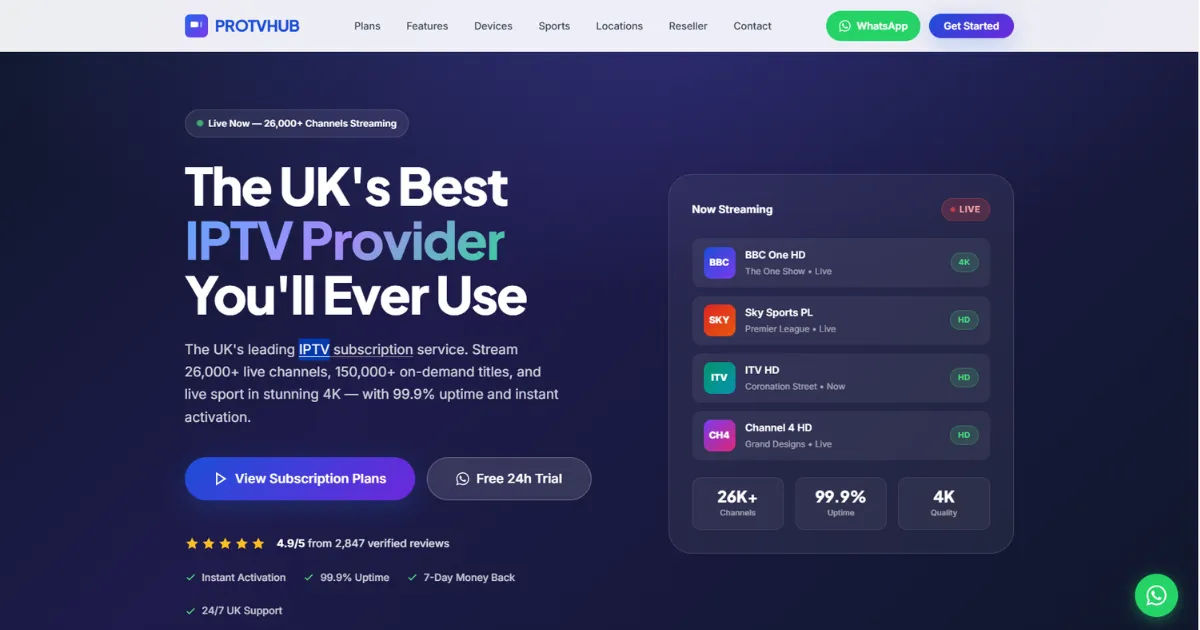
Visit ProTVHub is a phrase many people come across when searching for reliable IPTV information and streaming solutions. Understanding how IPTV technology delivers content helps users enjoy better streaming quality, fewer interruptions, and a more flexible entertainment experience.

Unlike traditional television services, IPTV uses internet technology to transmit TV channels, movies, and on-demand content directly to compatible devices. Visit ProTVHub to explore IPTV services and learn more about the technology behind internet-based television. Whether you are new to IPTV or simply want to understand the technology behind it, this guide explains everything in simple language.

What Is IPTV?

IPTV stands for Internet Protocol Television. Instead of broadcasting television signals through satellite or cable networks, IPTV sends television content over an internet connection.

This technology allows viewers to stream live television channels, watch movies on demand, replay missed programs, and enjoy content whenever they want. Many users Visit ProTVHub to learn about IPTV services because modern IPTV offers flexibility that traditional television cannot match.

Unlike conventional TV, IPTV is not tied to fixed broadcasting schedules. Everything is delivered through internet protocols, making the viewing experience more personalized.

Understanding Internet Protocol

Before learning how IPTV works, it is important to understand Internet Protocol (IP).

Internet Protocol is the communication method used by devices connected to the internet. Every piece of information sent online is broken into small packets. These packets travel across different networks until they reach the user's device.

When you Visit ProTVHub to explore IPTV solutions, you are using the same internet technology that powers websites, emails, online games, and video streaming platforms.

IPTV simply applies this technology to television content.

How IPTV Technology Delivers Content

IPTV delivery involves several important steps that work together to create smooth streaming.

Content Acquisition

Everything starts with collecting television content.

IPTV providers receive content from multiple sources including:

  • Television broadcasters

  • Movie studios

  • Sports networks

  • News channels

  • Entertainment companies

The original content may arrive through satellite feeds, direct fiber connections, or licensed media servers.

Content Encoding

Raw television signals are very large.

To make streaming practical, IPTV providers compress videos using modern codecs such as:

  • H.264

  • H.265 (HEVC)

  • AV1 in some newer systems

Compression reduces file size while maintaining excellent video quality.

When users Visit ProTVHub, they often discover that better encoding technology results in smoother playback with lower internet usage.

Content Storage

Once encoded, the content is stored on powerful servers.

These servers hold:

  • Live TV streams

  • Movies

  • TV series

  • Sports recordings

  • Documentaries

  • Children's programs

Cloud-based storage allows IPTV providers to deliver content quickly to users around the world.

Content Management

The IPTV platform organizes everything into categories.

Examples include:

  • Movies

  • Sports

  • Entertainment

  • Kids

  • News

  • International channels

Users can easily search for programs instead of scrolling through hundreds of channels.

Streaming Servers

Streaming servers are responsible for sending content to viewers.

When someone chooses a channel, the server instantly begins transmitting data packets over the internet.

This process happens within seconds.

Internet Delivery

The encoded video travels across internet networks.

These networks include:

  • Fiber optic systems

  • Broadband internet

  • Mobile networks

  • Wi-Fi

  • Ethernet connections

The internet carries millions of packets every second until they reach the user's device.

Playback Device

Finally, the IPTV application or media player receives the video packets.

The software reassembles the packets into smooth video and audio.

Popular playback devices include:

  • Smart TVs

  • Android TV

  • Fire TV Stick

  • Smartphones

  • Tablets

  • Windows PCs

  • Mac computers

Many people Visit ProTVHub because IPTV supports a wide variety of modern devices.

IPTV Network Architecture

Several components work together behind the scenes.

Headend

The IPTV headend receives television feeds.

This is where content enters the IPTV system.

The headend performs:

  • Signal reception

  • Encoding

  • Compression

  • Encryption

  • Distribution

Middleware

Middleware acts as the control center.

It manages:

  • User accounts

  • Subscriptions

  • Electronic Program Guides

  • Authentication

  • Billing

  • Channel permissions

Without middleware, IPTV services would be difficult to organize.

Content Delivery Network (CDN)

A CDN stores copies of video files across multiple locations.

Instead of one server handling every request, nearby servers deliver content faster.

Benefits include:

  • Lower buffering

  • Faster startup

  • Better reliability

  • Reduced network congestion

Streaming Server

Streaming servers continuously send requested video streams.

These servers adjust delivery speed based on available internet bandwidth.

IPTV Streaming Protocols

Different protocols help deliver IPTV content efficiently.

HTTP Live Streaming (HLS)

HLS divides videos into small segments.

The player downloads these segments one after another.

Advantages include:

  • Wide compatibility

  • Reliable playback

  • Adaptive streaming

MPEG-DASH

Dynamic Adaptive Streaming over HTTP adjusts video quality automatically.

If internet speed changes, video resolution changes smoothly without stopping playback.

RTP

Real-Time Protocol supports low-latency streaming.

It is commonly used for live television broadcasts.

RTSP

Real-Time Streaming Protocol controls media playback.

It manages:

  • Pause

  • Play

  • Stop

  • Resume

Types of IPTV Services

IPTV offers different viewing experiences.

Live Television

Live IPTV broadcasts television channels as they air.

Examples include:

  • Sports

  • News

  • Entertainment

  • Music

  • Educational channels

Many users Visit ProTVHub to access live television through IPTV platforms.

Video on Demand (VOD)

Video on Demand lets viewers watch content whenever they choose.

No schedules are required.

Users simply search and press play.

Catch-Up TV

Catch-Up TV stores recently aired programs.

If someone misses a show, they can watch it later.

This feature is becoming increasingly popular.

Time-Shifted TV

Time-shifted television lets viewers pause live broadcasts.

They can also rewind or replay important moments.

IPTV vs Traditional Television

Several differences separate IPTV from traditional broadcasting.

Delivery Method

Traditional TV:

  • Satellite

  • Cable

  • Antenna

IPTV:

  • Internet connection

Viewing Flexibility

Traditional television follows broadcasting schedules.

IPTV allows users to choose what they watch and when they watch it.

Device Compatibility

Traditional television often requires dedicated equipment.

IPTV works on multiple internet-connected devices.

Interactive Features

IPTV includes features such as:

  • Search

  • Pause

  • Replay

  • Recommendations

  • Recording

Traditional television offers fewer interactive options.

Adaptive Bitrate Streaming

Adaptive bitrate streaming improves viewing quality.

The IPTV server creates multiple versions of the same video.

Examples include:

  • 480p

  • 720p

  • 1080p

  • 4K

The player automatically selects the best version based on internet speed.

If bandwidth decreases, video quality lowers temporarily instead of buffering.

When internet speed improves, higher quality returns automatically.

Many users Visit ProTVHub to learn how adaptive streaming improves IPTV performance.

IPTV Buffering Explained

Buffering stores a small portion of video before playback begins.

This helps prevent interruptions.

Common causes include:

  • Slow internet

  • Wi-Fi interference

  • Server overload

  • Network congestion

Good IPTV providers reduce buffering through optimized servers and CDNs.

Importance of Internet Speed

Internet speed directly affects IPTV quality.

General recommendations include:

  • SD Streaming: 5 Mbps

  • HD Streaming: 10 Mbps

  • Full HD: 20 Mbps

  • 4K Streaming: 30 Mbps or higher

Faster internet provides a smoother viewing experience.

IPTV Compression Technology

Video compression reduces file size.

Without compression, streaming would require enormous bandwidth.

Modern codecs maintain excellent picture quality while reducing internet usage.

This allows IPTV to stream HD and 4K content efficiently.

Security in IPTV

Security protects both providers and viewers.

Common security measures include:

Encryption

Encryption prevents unauthorized access.

Only authorized users can watch protected streams.

User Authentication

Subscribers log into their accounts before accessing content.

Secure Streaming

HTTPS connections help protect transmitted data.

When users Visit ProTVHub, they often learn why secure IPTV systems are essential for protecting personal information.

Electronic Program Guide (EPG)

The EPG works like a digital TV guide.

It displays:

  • Current programs

  • Upcoming shows

  • Program descriptions

  • Channel schedules

This feature makes navigation simple.

IPTV on Different Devices

One advantage of IPTV is broad compatibility.

Smart TVs

Many Smart TVs include IPTV apps.

Android TV Boxes

Android TV boxes support numerous IPTV applications.

Fire TV Stick

Fire TV devices are among the most popular IPTV streaming devices.

Smartphones

Android and iPhone users can watch IPTV while traveling.

Tablets

Tablets offer larger screens for portable entertainment.

Computers

Windows and Mac computers can stream IPTV using compatible software.

Many viewers Visit ProTVHub to discover device compatibility before choosing an IPTV service.

IPTV and Cloud Technology

Cloud computing has transformed IPTV.

Cloud infrastructure provides:

  • Better scalability

  • Reliable storage

  • Faster updates

  • Improved availability

Providers can expand services without purchasing massive amounts of physical hardware.

IPTV Content Delivery Network Benefits

Content Delivery Networks improve streaming by reducing the physical distance between servers and viewers.

Benefits include:

  • Lower latency

  • Faster loading

  • Better reliability

  • Higher streaming quality

Large IPTV providers often operate servers across multiple countries.

Common IPTV Challenges

Although IPTV offers many advantages, some challenges remain.

Internet Dependency

Without internet, IPTV cannot function.

Network Congestion

Heavy internet traffic can slow streaming.

Device Compatibility

Older devices may not support newer IPTV codecs.

Server Performance

Poor server management may result in buffering.

Reliable providers work continuously to minimize these issues.

Future of IPTV Technology

IPTV continues evolving rapidly.

Future improvements may include:

Artificial Intelligence

AI will recommend personalized content based on viewing habits.

Better Compression

New codecs will reduce bandwidth requirements even further.

Faster Networks

Fiber internet and 5G will improve streaming quality worldwide.

More 8K Content

As internet speeds increase, 8K streaming will become more common.

Cloud Expansion

Cloud-based IPTV systems will continue improving reliability.

As technology advances, more viewers will Visit ProTVHub to stay informed about the latest IPTV developments and streaming innovations.

Why IPTV Is Becoming More Popular

Several reasons explain IPTV's rapid growth.

People enjoy:

  • Flexible viewing

  • Better picture quality

  • On-demand entertainment

  • Multiple device support

  • Interactive features

  • Easy content discovery

Modern households increasingly prefer internet-based television over traditional broadcasting.

Tips for Better IPTV Streaming

To enjoy the best experience:

  • Use a stable internet connection.

  • Choose Ethernet instead of Wi-Fi whenever possible.

  • Keep IPTV apps updated.

  • Restart networking equipment occasionally.

  • Use compatible streaming devices.

  • Close unnecessary background applications.

  • Ensure adequate internet bandwidth for HD or 4K streaming.

Following these practices helps reduce buffering and improve playback quality.

Conclusion

IPTV technology has transformed the way television content is delivered and consumed. Instead of relying on cable or satellite signals, IPTV uses internet protocols to transmit live channels, movies, and on-demand programs directly to internet-connected devices. Behind every stream is a sophisticated system involving content acquisition, encoding, cloud storage, streaming servers, middleware, and content delivery networks that work together to provide smooth, high-quality viewing.

Modern IPTV platforms also include advanced features such as adaptive bitrate streaming, electronic program guides, catch-up TV, video on demand, and multi-device compatibility. These innovations make IPTV more flexible and convenient than traditional television services for many users.

As internet infrastructure continues to improve and technologies like artificial intelligence, cloud computing, and faster video compression become more advanced, IPTV is expected to become even more efficient, reliable, and accessible. Whether someone watches television on a Smart TV, smartphone, tablet, or computer, IPTV provides a modern entertainment experience that adapts to today's connected lifestyle. For those looking to understand IPTV better or explore reliable IPTV solutions, many users continue to Visit ProTVHub to learn more about streaming technology, compatible devices, and the latest IPTV developments.

How does double bowl sink with glass washer Pakistan improve cleaning?How does double bowl sink with glass washer Pakistan improve cleaning?

A double bowl sink with glass washer Pakistan has become an important addition for restaurants, cafés, hotels, and commercial kitchens because it combines washing convenience with better cleaning efficiency. Instead of depending on separate equipment for washing dishes and cleaning glasses, this integrated setup helps businesses save time, improve hygiene, and manage kitchen tasks more effectively.

Cleaning in a busy food service environment is not only about removing visible dirt. It also involves maintaining hygiene standards, preventing contamination, protecting fragile glassware, and ensuring that every item is ready for the next customer. A well-designed double bowl sink with a glass washer Pakistan provides a practical solution by allowing different cleaning tasks to happen in an organized way.

The combination of two sink bowls and a dedicated glass washing area creates a smoother workflow. One bowl can be used for soaking or washing, while the other can handle rinsing or preparing items for final cleaning. The glass washer adds extra convenience by making it easier to clean glasses quickly and carefully without damaging them.

A Double Bowl Sink with Glass Washer

A double bowl sink with glass washer is a commercial washing system designed to support multiple cleaning activities at the same time. It usually includes two separate sink sections along with a built-in or attached glass washing unit.

The main purpose of this design is to separate cleaning processes. In a normal single sink, staff may need to wash everything in one area, which can create delays and increase the chances of mixing dirty and clean items.

With two bowls available, kitchen workers can create a more organized cleaning process. For example, one bowl can contain warm soapy water for removing grease, while the second bowl can contain clean water for rinsing.

The glass washer section provides additional cleaning power for glasses, cups, and delicate items. Since glassware requires careful handling, having a dedicated washing solution reduces the risk of scratches, cracks, or leftover residue.

How Does It Improve Cleaning Efficiency?

A major advantage of a double bowl sink with glass washer Pakistan is improved cleaning speed. In busy restaurants and cafés, staff often need to wash hundreds of dishes and glasses throughout the day.

A traditional sink setup can slow down operations because every item must go through the same washing space. A double bowl system allows workers to divide tasks and complete them faster.

For example, one employee can wash plates and utensils in one bowl while another person cleans glasses using the glass washer. This reduces waiting time and keeps the kitchen running smoothly.

The separate sections also help workers follow a better cleaning routine. Dirty items enter one area, washing happens in another, and clean items move toward drying or storage.

Better Hygiene and Food Safety

Cleanliness is one of the most important factors in any food-related business. Poor washing methods can lead to bacteria growth, unpleasant smells, and customer complaints.

A double bowl sink with glass washer helps maintain better hygiene because it allows proper separation between different cleaning stages.

When dishes and glasses are washed together in one area, leftover food particles, grease, and drink residue can mix. This may reduce cleaning effectiveness. Separate washing spaces help prevent this problem.

The glass washer is especially useful because glasses require a high level of cleanliness. Customers expect clear, spotless glasses without fingerprints, stains, or chemical smells.

By using a dedicated glass cleaning system, businesses can maintain a higher standard of presentation and hygiene.

Faster Glass Cleaning for Restaurants and Cafés

Glassware is one of the most frequently used items in restaurants, especially cafés, bars, hotels, and catering businesses. Customers immediately notice the condition of their glasses.

A glass washer makes cleaning faster because it is designed specifically for glass items. It can remove drink marks, oils, and fingerprints more effectively than regular manual washing.

The design also helps protect fragile glasses. Staff do not need to handle every glass aggressively, reducing the possibility of accidental breakage.

For businesses that serve large numbers of beverages, this equipment can significantly improve daily operations.

Saving Time and Reducing Labor Effort

Time management is important in professional kitchens. During busy hours, small delays can create major problems.

A double bowl sink with glass washer Pakistan reduces unnecessary movement because workers have multiple cleaning options in one place. They do not need to move between different washing stations.

This setup allows employees to complete cleaning tasks with fewer steps. A smoother process means less physical effort and better productivity.

When staff spend less time struggling with cleaning, they can focus on other important duties such as food preparation, customer service, and maintaining kitchen organization.

Better Water Management

Water usage is another important concern for commercial kitchens. Traditional cleaning methods may waste large amounts of water because workers continuously run taps while washing items.

A double bowl sink system encourages controlled water usage. One bowl can hold washing water while another can be used for rinsing.

The glass washer also helps reduce unnecessary water consumption because it provides a targeted cleaning process instead of relying only on manual washing.

Although water savings depend on usage habits and equipment design, an organized washing system generally supports better resource management.

Protecting Expensive Glassware

Glassware can be expensive, especially in hotels, premium restaurants, and cafés. Replacing broken glasses frequently increases operating costs.

A dedicated glass washer helps protect these items by providing a safer cleaning method. The process reduces rough handling and minimizes the chances of accidental damage.

Workers can clean glasses more carefully because they have equipment designed for that specific purpose.

Over time, fewer broken glasses can result in financial savings for businesses.

Improving Kitchen Organization

A clean and organized kitchen works more efficiently. Equipment placement plays an important role in maintaining a professional environment.

A double bowl sink with glass washer creates a clear cleaning station. Workers know where washing, rinsing, and glass cleaning tasks should happen.

This organization reduces confusion during busy periods. It also makes it easier for supervisors to maintain cleanliness standards.

A well-arranged cleaning area contributes to a more professional kitchen environment where every task has a proper place.

Ideal Applications of Double Bowl Sink with Glass Washer

Different businesses can benefit from installing this type of washing system.

Restaurants

Restaurants handle a large variety of dishes, plates, glasses, and serving equipment every day. A double bowl sink setup helps restaurant staff manage cleaning tasks more efficiently.

It supports faster table turnover because clean dishes and glasses become available more quickly.

Cafés and Beverage Shops

Cafés depend heavily on clean cups and glasses. A glass washer allows staff to maintain excellent presentation standards while managing high customer demand.

Hotels

Hotels require consistent cleaning quality because guests expect premium service. A reliable washing system helps maintain hygiene across restaurants, dining areas, and service stations.

Catering Businesses

Catering companies often work with large quantities of tableware. A double bowl sink with glass washer helps them handle cleaning requirements during events and busy schedules.

Features to Consider Before Buying

Choosing the right equipment requires careful consideration. Not every sink system provides the same level of performance.

Material Quality

The material of the sink is extremely important. Stainless steel is commonly preferred because it is durable, easy to clean, and resistant to corrosion.

High-quality materials provide longer service life and better hygiene.

Size and Kitchen Space

Before installation, businesses should consider available space. The sink should fit comfortably without making the kitchen area crowded.

A properly sized unit improves movement and workflow.

Ease of Maintenance

Cleaning equipment itself should be easy to maintain. A good design allows quick cleaning, simple repairs, and easy replacement of parts when required.

Water Efficiency

Businesses should consider models that provide effective cleaning while managing water usage responsibly.

Common Mistakes to Avoid

Some businesses purchase cleaning equipment without considering their actual requirements. This can lead to poor performance and unnecessary expenses.

One common mistake is choosing a sink that is too small for daily workload. A busy kitchen needs enough space to handle continuous cleaning.

Another mistake is ignoring installation quality. Even high-quality equipment may not perform properly if it is installed incorrectly.

Regular maintenance should also not be ignored. Proper cleaning and inspection help extend equipment life and maintain hygiene standards.

Maintenance Tips for Long-Term Performance

Regular care keeps a double bowl sink with glass washer Pakistan working effectively for years.

The sink area should be cleaned daily to prevent grease buildup and unpleasant odors. Food particles should not be allowed to collect around drains or corners.

The glass washer components should also be checked regularly. Any damaged parts should be repaired quickly to avoid bigger problems.

Using suitable cleaning products helps protect stainless steel surfaces and maintain appearance.

Why It Is a Smart Investment for Commercial Kitchens

Investing in efficient cleaning equipment can improve overall business performance. A double bowl sink with glass washer is not just a washing tool; it is a system that improves workflow, hygiene, and productivity.

Businesses that handle large numbers of customers need equipment that can keep up with demand. Faster cleaning means quicker service and better customer satisfaction.

Although the initial investment may seem significant, the long-term benefits often make it worthwhile. Reduced labor pressure, fewer broken glasses, improved cleanliness, and better organization contribute to a more successful operation.

Conclusion

A double bowl sink with glass washer Pakistan provides a practical solution for businesses that need faster, cleaner, and more organized washing operations. By combining multiple cleaning functions into one system, it helps restaurants, cafés, hotels, and catering companies manage their daily workload more effectively.

The biggest advantage of this setup is improved workflow. Separate washing areas allow staff to clean different items without unnecessary delays, while the glass washer provides specialized care for delicate glassware. This results in better hygiene, reduced effort, and a more professional kitchen environment.

Choosing the right system requires attention to quality, size, maintenance needs, and business requirements. When selected properly and maintained regularly, a double bowl sink with glass washer can become a valuable long-term investment that improves cleaning performance and supports smoother kitchen operations.