Burgers are loved around the world because of their juicy meat, soft buns, melted cheese, and flavorful toppings. However, not all burgers are prepared in the same way. Differences in meat quality, preparation methods, seasonings, and cooking techniques can influence the taste of the finished meal. For people who follow Islamic dietary guidelines, understanding these differences also means knowing what makes a burger Zabiha halal.
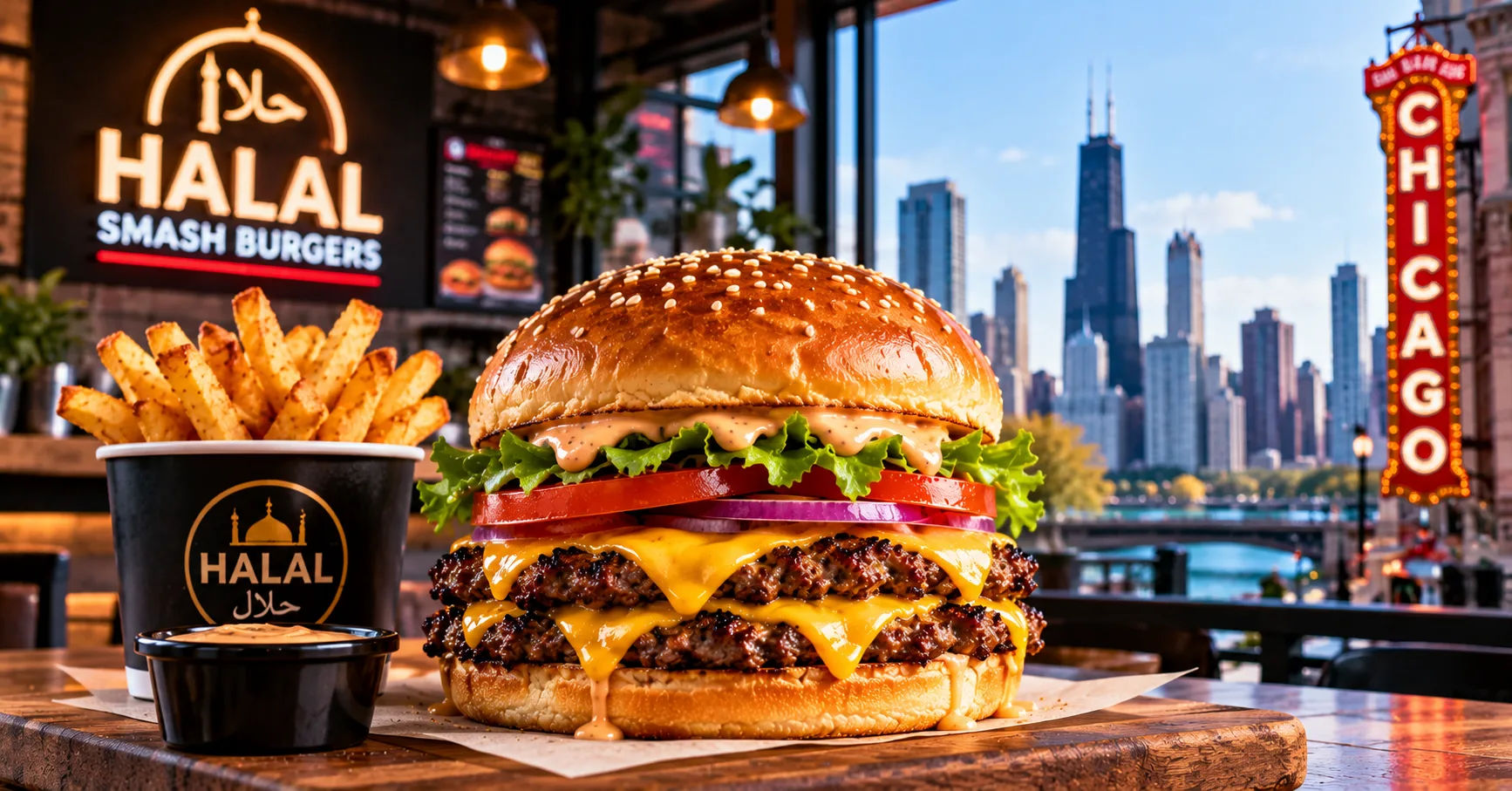
Zabiha Halal Burgers are prepared using meat obtained through slaughter that follows applicable Islamic requirements. The term Zabiha refers to the prescribed Islamic method of slaughter, while halal means permissible under Islamic law. Although these terms describe how the meat is sourced rather than a particular flavor, the overall eating experience can vary depending on the ingredients, freshness, handling, and cooking method.
Many people wonder whether Zabiha halal meat tastes noticeably different from other meat. The answer is not as simple as saying one type always tastes better. Flavor depends on several factors, including the animal, the cut of meat, the fat content, storage conditions, seasoning, and the way the burger is cooked. When two burgers use similar ingredients and cooking methods, their taste may be very similar, even when their meat comes from different slaughter practices.
In this comprehensive guide, we will explore the flavor, texture, juiciness, aroma, and preparation of Zabiha halal burgers. We will also explain common misconceptions, examine the role of ingredients and cooking methods, and share practical tips for enjoying a delicious burger while following halal dietary requirements.
What Are Zabiha Halal Burgers?
Zabiha halal burgers are burgers made with meat sourced and prepared according to applicable Islamic dietary requirements, including the prescribed slaughter method. They can be made with beef, chicken, or other permissible meats.
The word Zabiha is commonly used to emphasize that the meat has undergone Islamic slaughter. Halal requirements also address other aspects of food preparation, including the permissibility of ingredients and avoiding contamination with prohibited substances.
A Zabiha halal burger can look just like any other burger. It may contain a beef patty, a toasted bun, lettuce, tomatoes, cheese, pickles, and sauce. The difference lies primarily in the meat's sourcing and the care taken to ensure that the entire meal meets the consumer's dietary requirements.
It is important to understand that Zabiha does not describe a specific recipe or cooking technique. It does not automatically mean that the burger is grilled, spiced, especially juicy, or prepared with a particular type of beef.
For example, a Zabiha halal burger could be a simple grilled cheeseburger, a spicy chicken burger, or a thin smash burger with crispy edges. Each can taste different because of its ingredients and preparation.
Do Zabiha Halal Burgers Taste Different From Regular Burgers?
The taste difference is often smaller than people expect. Zabiha describes how the meat is sourced and slaughtered, not a unique flavor profile.
If two burgers use the same animal species, comparable cuts, similar fat content, equally fresh meat, and identical seasoning and cooking techniques, their flavors may be difficult to distinguish.
However, burgers sold by different restaurants can taste noticeably different. One restaurant might use freshly ground beef with a higher fat content, while another uses leaner meat. One might season the patty simply with salt and pepper, while another uses a complex spice blend.
These differences can have a greater influence on flavor than the slaughter method alone.
The Importance of Meat Quality
The quality of the meat plays a major role in the taste of any burger. Fresh, properly stored ground beef generally develops a pleasant savory flavor when cooked correctly.
The cut of beef, the amount of fat, the animal's diet, and the processing method can all influence its flavor. A burger made from a well-balanced beef blend may taste richer than one made with very lean meat.
The Zabiha designation does not guarantee a particular grade of beef. Zabiha halal meat can range from economical ground beef to premium cuts, so quality varies between suppliers.
The Role of Cooking
Cooking technique is another major factor. Grilling can add smoky notes, while pan-frying can produce a deeply browned crust. Smash burgers often have a stronger roasted flavor because a large portion of the thin patty contacts the hot cooking surface.
A thick burger may have a softer exterior and a more substantial center. Both styles can be delicious when prepared well.
Therefore, when comparing two burgers, consider their cooking methods and ingredients before attributing a difference in taste to the meat's halal status.
The Flavor Profile of Zabiha Halal Burgers
The taste of a Zabiha halal burger depends on its meat, seasoning, cooking method, and toppings. When prepared with quality ingredients, it can deliver the same satisfying flavors people expect from a great burger.
1. Rich and Savory Meat Flavor
Beef burgers are known for their deep, savory taste. This flavor develops naturally from the meat and becomes more pronounced during cooking.
When beef touches a hot grill or skillet, browning reactions create additional flavor compounds. These contribute roasted, meaty notes that make a freshly cooked burger so appealing.
A Zabiha halal beef burger can have this same rich flavor. The intensity depends on the beef blend, its fat content, and how thoroughly the surface is browned.
2. Juiciness and Tenderness
Juiciness is one of the most important qualities of a good burger. A juicy patty feels moist when bitten into, while a dry patty can seem tough and less flavorful.
Fat content, grinding, cooking temperature, and cooking time all affect juiciness. Beef with a moderate amount of fat often produces a satisfying texture, while very lean beef can become dry if overcooked.
Proper storage and handling also help maintain meat quality. However, the Zabiha label by itself does not guarantee a juicier burger.
3. Aroma During Cooking
The smell of a burger cooking on a hot grill can be just as appealing as its taste. Browning meat releases aromatic compounds that contribute to its recognizable grilled or roasted smell.
Seasonings such as black pepper, garlic, paprika, and onion powder add further layers of aroma.
A Zabiha halal burger prepared with the same beef blend and seasonings as another burger can produce a similar aroma. The cooking technique and ingredients are important factors in the result.
4. Texture of the Patty
Texture varies depending on how the meat is ground, shaped, and cooked.
A loosely formed patty can have a tender, less compact texture. A tightly packed patty may feel denser. Smash burgers develop thin, crispy edges, while thick burgers often have a softer exterior and a more substantial bite.
The texture of a Zabiha halal burger is therefore not fixed. It depends on the recipe and preparation method.
Does Zabiha Slaughter Change the Taste of Meat?
This is one of the most common questions about Zabiha halal burgers. Some people believe that the slaughter method automatically makes meat taste better, while others assume it produces a completely different flavor.
There is no sound basis for claiming that Zabiha meat always tastes better or worse solely because of the slaughter method. Flavor is influenced by several interacting factors, and individual preferences also play a role.
Understanding the Slaughter Process
Zabiha slaughter follows Islamic requirements concerning the animal, the slaughter procedure, and the handling of the meat. Details of accepted practices and certification can vary among authorities and standards.
The purpose of these requirements is religious compliance, not creating a specific burger flavor.
After slaughter, meat quality depends on factors such as hygiene, temperature control, processing, storage, and the time between processing and cooking. Poor handling can damage the quality of any meat, regardless of its source.
Does Blood Removal Affect Flavor?
Blood and meat are not the same thing. Most of the blood supply is removed during slaughter, but meat naturally contains water, proteins, and pigments such as myoglobin, which contributes to its red color.
The liquid often seen in a package of raw meat is primarily water mixed with meat proteins and pigments rather than pure blood.
Claims that Zabiha meat is automatically more tender, healthier, or more flavorful because of blood removal should be treated cautiously. These characteristics cannot be guaranteed by the slaughter designation alone.
For a fair taste comparison, the meat's quality, processing, storage, and cooking conditions must also be considered.
Ingredients That Make Zabiha Halal Burgers Delicious
The ingredients can transform a basic patty into a memorable meal. The best combinations balance savory meat with fresh, creamy, tangy, and sometimes spicy flavors.
Ground Beef and Fat Content
Ground beef provides the main flavor. A blend containing approximately 15–20% fat is a common starting point for a juicy burger, although personal preferences vary.
Fat helps carry flavor and improves the mouthfeel. Too little may produce a dry patty, while too much can create excessive grease.
Choose beef from a reliable halal supplier and keep it refrigerated until preparation.
Seasonings and Spices
Salt and black pepper are enough for a classic burger. Salt enhances the meat's natural flavor, while pepper adds mild heat and aroma.
Other options include garlic powder, onion powder, paprika, cumin, and chili powder. These ingredients can create a more distinctive flavor profile.
Seasonings should be used in moderation. Too many strong spices can overpower the taste of the beef.
Cheese
Cheese adds richness and a creamy texture. Cheddar offers a sharp flavor, while mild melting cheeses create a smoother, more familiar fast-food style.
Choose cheese that meets your halal requirements. Some products contain processing ingredients that may require checking, depending on their source and certification.
Buns and Toppings
A toasted bun adds a gentle crunch and a warm, slightly sweet flavor. Lettuce and tomato contribute freshness, while pickles provide acidity.
Onions can be served raw for a sharp taste or cooked until soft and sweet. These small choices can significantly change the overall experience.
Sauces
Mayonnaise adds creaminess, ketchup provides sweetness and acidity, and mustard gives a sharper flavor.
Many restaurants use their own burger sauces, combining several condiments with spices or chopped pickles. When preparing a halal burger, check the ingredients of prepared sauces and choose products suitable for your dietary requirements.
How Cooking Methods Influence the Taste
Even when the meat and toppings remain the same, changing the cooking method can produce a different burger.
Grilled Burgers
Grilling can give the patty a lightly smoky flavor, especially when cooked over charcoal. The heat creates browning on the outside while the center remains tender when cooked correctly.
Grilled burgers are ideal for people who enjoy a traditional barbecue taste.
Pan-Fried Burgers
A heavy skillet provides consistent contact between the patty and the cooking surface. This can create a deeply browned crust and a rich, savory flavor.
Pan-frying is convenient for home cooks because it does not require an outdoor grill.
Smash Burgers
Smash burgers are pressed into thin patties on a hot, flat surface. Their large surface area encourages browning and produces crispy edges.
This method is particularly appealing to people who enjoy a strong roasted flavor and a thin, crisp texture.
Thick-Cut Burgers
Thicker patties provide a more substantial bite and can retain a softer center. They are suitable for people who prefer a traditional restaurant-style burger rather than a thin, crispy patty.
All these methods can be used with Zabiha halal meat. The best choice depends on the flavor and texture you enjoy most.
How to Make a Flavorful Zabiha Halal Burger at Home
Preparing a burger at home allows you to control the meat, seasonings, toppings, and cooking process.
300–350 grams of ground beef from a reliable halal source
-
Two burger buns
-
Two slices of suitable melting cheese
-
Salt and black pepper
-
Lettuce and tomato
-
Sliced onions and pickles
-
Ketchup, mustard, or a suitable burger sauce
Step 1: Prepare the Meat
Divide the beef into two equal portions. Shape each portion gently into a patty without compressing it too firmly.
For a traditional burger, make the patties slightly wider than the buns because meat shrinks during cooking.
Step 2: Season the Patties
Season the outside with salt and black pepper immediately before cooking. This helps keep the preparation simple while allowing the natural beef flavor to stand out.
Step 3: Cook the Beef
Heat a heavy skillet or grill until hot. Cook the patties, turning them as needed to brown both sides.
Ground beef should reach an internal temperature of 71°C (160°F). Check with a food thermometer rather than relying on color alone.
Step 4: Add the Cheese
Place the cheese over the patties near the end of cooking. Allow it to melt over the warm meat.
Step 5: Toast the Buns
Toast the cut sides of the buns until lightly golden. This adds flavor and helps prevent the bread from becoming soggy.
Step 6: Assemble the Burger
Add the sauce, cooked patty, cheese, vegetables, and pickles. Serve while warm to enjoy the contrast between the tender meat, creamy cheese, crisp vegetables, and toasted bun.
For food safety, keep raw beef separate from ready-to-eat ingredients, wash your hands, and clean utensils and surfaces properly.
Common Myths About Zabiha Halal Burger Taste
Several misconceptions can make it difficult to understand what actually affects a burger's flavor.
Myth 1: Zabiha halal burgers always taste better.
Taste is subjective. Some people may prefer a particular Zabiha burger because it uses fresh meat, better seasoning, or a cooking technique they enjoy. The label alone does not guarantee superior flavor.
Myth 2: Halal burgers have a completely different smell.
There is no universal smell associated with Zabiha meat. Aroma depends on freshness, storage, seasoning, and cooking. An unpleasant odor may indicate a quality or safety problem and should not be dismissed as a normal halal characteristic.
Myth 3: Halal burgers are always juicier.
Juiciness depends on fat content, cooking temperature, and preparation. A properly cooked burger can be juicy regardless of its dietary classification.
Myth 4: Every burger sold as halal has verified Zabiha sourcing.
Restaurants may use different labeling practices. If the exact slaughter standard matters to you, ask the restaurant about its supplier, certification, and preparation procedures.
Conclusion
Zabiha halal burgers offer the same broad range of flavors and textures found in other burgers, from rich and savory beef patties to crispy smash burgers and smoky grilled creations. Their defining feature is that the meat is sourced and prepared according to applicable Islamic slaughter requirements, rather than a particular taste or recipe.
The flavor of a burger depends mainly on the quality and fat content of the meat, its freshness, the seasoning, the cooking method, and the toppings. A well-browned patty can deliver a rich, savory crust, while suitable fat content helps maintain a juicy texture. Fresh vegetables, melted cheese, toasted buns, and balanced sauces complete the experience.
It is important not to assume that Zabiha slaughter automatically makes a burger more tender, healthier, or tastier. Those qualities depend on additional factors, including processing, storage, cooking, and ingredient selection. Two burgers prepared with comparable meat and techniques may taste very similar even if their sourcing practices differ.
For anyone preparing burgers at home, the best approach is to choose reliable halal meat, use simple seasonings, cook the patty properly, and select toppings that complement rather than overwhelm the beef. When eating out, checking the restaurant's halal sourcing and preparation practices can provide greater confidence.
Ultimately, Zabiha Halal Burgers combine the familiar enjoyment of a good burger with the importance of halal dietary standards. By understanding what influences taste and focusing on quality ingredients and careful cooking, you can choose or prepare a burger that satisfies both your flavor preferences and your dietary requirements.