Preparing for a nutrition-related blood test is an important step toward understanding your nutritional status and making better decisions about your health. Whether you want to check your vitamin levels, identify possible mineral deficiencies, or understand how your diet affects your body, proper preparation can help you obtain useful and reliable results.A nutrition biomarker test Pakistan can help assess specific indicators related to nutrition, such as vitamin D, vitamin B12, iron status, folate, and other nutrients, depending on the tests ordered by your healthcare professional. 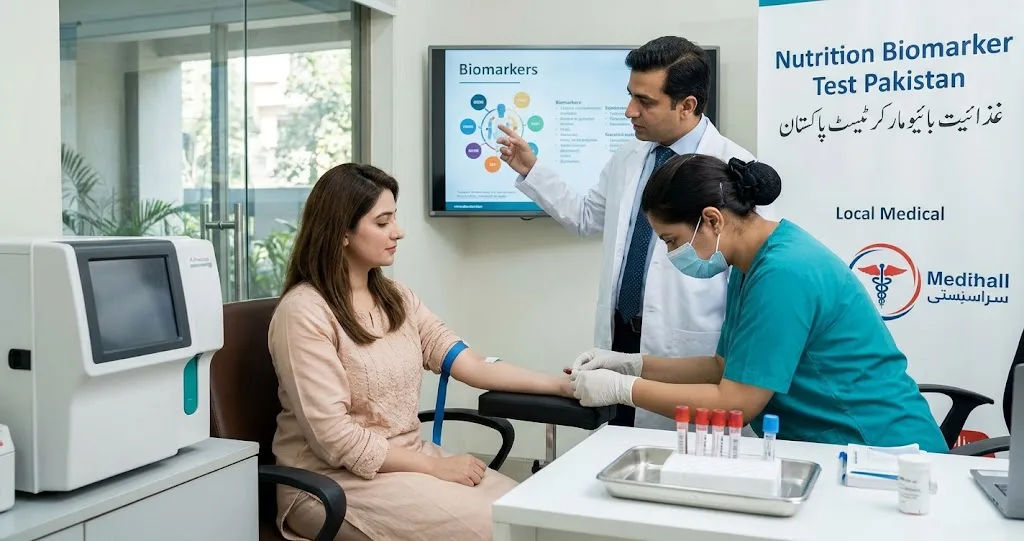 These tests may be recommended if you experience tiredness, follow a restricted diet, have digestive problems, or want to investigate a possible nutritional deficiency.
However, preparing for a nutrition biomarker test involves more than simply visiting a laboratory. Your meals, supplements, medications, hydration, exercise, and the timing of your sample collection may affect certain measurements. The exact requirements depend on which biomarkers are being tested and the laboratory's procedures.
Understanding these requirements beforehand can help you avoid unnecessary delays, reduce the possibility of misleading results, and feel more confident throughout the testing process. This guide explains how to prepare, what to avoid, what to bring, and how to understand the next steps after your test in Pakistan.
What Is a Nutrition Biomarker Test?
A nutrition biomarker test measures specific substances or biological indicators in your body that can provide information about your nutritional status. Depending on the test, a laboratory may analyse blood, urine, or another type of sample.
These measurements can help healthcare professionals investigate whether you may have a deficiency, an excess of a nutrient, or a health condition affecting nutrient absorption or use.
For example, a doctor may recommend vitamin B12 testing for someone experiencing unexplained fatigue or numbness. Iron studies may be useful for investigating possible iron deficiency, while vitamin D testing may be considered when symptoms or medical risk factors make it appropriate.
Common Biomarkers That May Be Tested
Different tests measure different aspects of nutrition. Common examples include:
-
Vitamin D: Helps assess vitamin D status, which is important for bone health and calcium regulation.
-
Vitamin B12: Supports normal nerve function and red blood cell production.
-
Folate: Plays an important role in DNA production and red blood cell formation.
-
Iron and ferritin: Help evaluate iron status and possible iron deficiency or iron overload.
-
Calcium: Helps assess calcium levels, although blood calcium does not directly measure total calcium stored in bones.
-
Magnesium: May be measured when a clinician suspects an imbalance or a related medical problem.
-
Albumin and other proteins: May provide information about protein status, inflammation, liver function, and other aspects of health.
Not everyone needs every test. Your healthcare professional should select appropriate biomarkers based on your symptoms, medical history, diet, and health goals.
Why Proper Preparation Matters
Preparation helps ensure that the laboratory collects your sample under conditions suitable for the requested test.
Some biomarkers remain relatively stable despite ordinary daily activities, while others can change with recent food intake, hydration, physical activity, medication use, or the time of sample collection.
For example, certain iron measurements can vary with the time of day and recent meals. Blood glucose and triglyceride testing may also require specific preparation when included in a broader laboratory panel.
Following the correct instructions helps your healthcare professional interpret the findings accurately and decide whether additional investigation is necessary.
How to Prepare Before Your Test
Preparing properly begins several days before your appointment. You do not need to make major changes to your lifestyle, but you should understand the instructions provided by your doctor or laboratory.
1. Confirm Which Tests You Need
Before visiting a laboratory, confirm the exact tests included in your requested panel. The preparation for a vitamin D test may differ from that required for a fasting glucose test or a comprehensive metabolic panel.
Ask the laboratory whether your appointment includes individual vitamin tests, mineral measurements, iron studies, or a broader nutritional assessment.
When arranging a nutrition biomarker test Pakistan, confirm whether the sample will be collected at the laboratory or whether home collection is available. Also ask about the expected reporting time, sample requirements, and any preparation instructions.
Do not assume that every nutritional test requires fasting. The requirements depend on the specific biomarkers being measured.
2. Ask Whether Fasting Is Necessary
Fasting is one of the most common questions people ask before blood testing. However, fasting is not necessary for every nutritional biomarker.
Some tests can be performed without fasting, while others may require you to avoid food for a specified period. If fasting is required, the laboratory should explain how long you need to fast and whether plain water is permitted.
If your appointment includes several tests, follow the requirements for the entire panel rather than those for one test alone.
Important: Do not fast unnecessarily or extend a prescribed fasting period. People with diabetes, those taking medicines that affect blood glucose, pregnant individuals, and people with certain medical conditions may need special instructions.
If you are unsure, contact your healthcare professional before changing your eating routine.
3. Review Your Supplements and Medications
Supplements can influence some laboratory measurements, making it important to tell your healthcare professional about everything you take.
Common examples include multivitamins, vitamin D, vitamin B12, iron tablets, calcium, magnesium, herbal preparations, and protein supplements.
High-dose biotin, sometimes found in hair, skin, and nail supplements, can interfere with certain laboratory tests. The appropriate time to stop it, if necessary, depends on the dose, the test, and your medical circumstances.
Do not independently stop prescription medicines or medically necessary supplements. Instead, ask your healthcare professional whether any adjustment is needed before sample collection.
Keep a list of your medications and supplements, including their doses and the times you usually take them. This information can help your clinician interpret the results more accurately.
4. Maintain Your Normal Diet
It may be tempting to eat unusually healthy meals before testing in the hope of receiving better results. However, making sudden dietary changes can complicate the interpretation of certain measurements.
During the days before your appointment, continue eating your usual balanced diet unless your healthcare professional advises otherwise.
Include familiar foods such as vegetables, fruit, whole grains, pulses, eggs, dairy products, fish, or other suitable sources of protein according to your dietary preferences.
Avoid starting a new supplement routine simply to improve your results. Likewise, do not deliberately avoid particular foods to make a suspected deficiency appear more serious.
A nutritional assessment is most useful when your healthcare professional understands your normal eating habits and can relate them to your results.
5. Drink Enough Water
Staying hydrated is generally helpful before a blood test. Dehydration can affect certain blood measurements and may make blood collection more difficult.
Drink water normally throughout the day before your appointment. If fasting is required, plain water is usually allowed, but you should confirm the instructions for your particular test.
Avoid excessive water consumption in an attempt to influence the results. Drinking unusually large amounts of water is unnecessary and can be harmful.
If you have been instructed to restrict fluids because of a medical condition, follow your healthcare professional's advice rather than general hydration recommendations.
What to Avoid Before Sample Collection
Certain activities and habits may influence some laboratory results. Knowing what to avoid can help you prepare without making unnecessary lifestyle changes.
Avoid Unusually Intense Exercise
Strenuous exercise can temporarily affect some blood markers, including measurements related to muscle activity, inflammation, and metabolism.
If possible, avoid unusually intense workouts immediately before your appointment, particularly if your clinician or laboratory has recommended avoiding them.
Ordinary walking and routine daily activities are generally acceptable unless specific instructions say otherwise.
Tell your healthcare professional if you have recently completed a demanding workout, endurance event, or unusually strenuous physical activity.
Avoid Alcohol Before Testing When Advised
Alcohol can affect certain metabolic measurements and may influence some laboratory results, depending on the quantity consumed and the timing of the test.
If your healthcare professional has advised you to avoid alcohol, follow that recommendation for the specified period.
Do not assume that every nutritional biomarker requires alcohol avoidance. Ask whether it matters for your particular panel.
Do Not Smoke or Use Nicotine Immediately Before Testing if Restricted
Smoking and nicotine use can influence certain physiological measurements. If your laboratory instructs you to avoid smoking before sample collection, follow its guidance.
Inform your clinician about relevant tobacco or nicotine use when discussing your medical history. This information may help when interpreting particular results.
Avoid Last-Minute Dietary Experiments
Do not attempt a crash diet, prolonged fast, detox programme, or high-dose vitamin regimen before testing.
Such changes may affect some measurements and can create unnecessary health risks. They may also make it harder to determine whether your everyday diet is meeting your nutritional needs.
The purpose of testing is to understand your actual health status, not to achieve a particular laboratory number.
What to Expect at a Testing Laboratory in Pakistan
Laboratory procedures can differ between cities, facilities, and testing providers. Before travelling, check the laboratory's location, opening hours, appointment requirements, and available services.
Choosing an Appropriate Laboratory
When selecting a laboratory for a nutrition biomarker test Pakistan, consider the following factors:
-
Accreditation and quality control: Ask whether the laboratory has relevant accreditation or participates in appropriate external quality assessment programmes.
-
Test availability: Confirm that the specific biomarkers you need are available.
-
Sample handling: Ask how samples are collected, stored, transported, and processed, particularly if testing is sent to another laboratory.
-
Reporting time: Find out when you can expect the results.
-
Cost and transparency: Request a breakdown of the included tests and any additional charges.
-
Professional guidance: Choose a service that provides clear instructions and encourages appropriate clinical interpretation.
A larger test panel is not automatically better. Testing should be relevant to your health needs, and unnecessary tests can increase costs and create confusing findings.
What to Bring to Your Appointment
Prepare a few items before leaving home:
-
Your doctor's prescription or laboratory request, if applicable.
-
Identification and any information required for registration.
-
A list of medicines, vitamins, and supplements you use.
-
Previous laboratory reports relevant to your current assessment.
-
Information about recent dietary changes or symptoms.
-
Your appointment confirmation, if one was issued.
Arriving a little early can give you time to complete registration and clarify any remaining questions.
How the Sample Is Collected
Many nutritional biomarkers are measured using a blood sample collected from a vein in your arm. Some tests use urine or other specimens, depending on what is being assessed.
The collection process usually involves checking your details, preparing the collection site, taking the sample, and labelling it for laboratory processing.
Follow the technician's instructions and mention any history of fainting during blood collection, significant needle anxiety, or difficulty with previous samples.
After the collection, apply pressure to the puncture site as instructed. Most people can resume their normal activities soon afterward, unless they have been given different medical advice.
Understanding Your Results After Testing
Receiving your report is only one part of a nutritional assessment. The next step is understanding what the findings mean in the context of your health.
Review Results With a Healthcare Professional
Laboratory reports commonly include the measured value, unit, and reference interval. Some reports may also flag results that fall outside the laboratory's reference range.
However, a result outside that range does not automatically mean you have a disease. Similarly, a result within the reference range does not rule out every nutritional problem.
Your clinician may consider your symptoms, medical history, diet, medications, and other laboratory findings before deciding whether further investigation is needed.
For example, ferritin can be influenced by inflammation, so it may require interpretation alongside other iron measurements and the wider clinical picture.
Do Not Start High-Dose Supplements Without Advice
If a result suggests a possible deficiency, avoid immediately taking large doses of vitamins or minerals without professional guidance.
The correct treatment depends on the nutrient involved, the severity of the deficiency, the underlying cause, and your other health conditions.
Excessive supplementation can be harmful. Too much iron, for example, can be dangerous in certain circumstances, while excessive vitamin D can lead to high calcium levels and other complications.
Your healthcare professional can recommend an appropriate dose, treatment duration, dietary changes, and follow-up testing when necessary.
Keep a Record of Previous Reports
Store your laboratory reports securely so you can compare results over time. If repeated testing is necessary, using the same laboratory and similar collection conditions may make some comparisons easier.
Nevertheless, different laboratories may use different methods, reference intervals, or units. Changes in results should therefore be interpreted carefully rather than treated as direct evidence of improvement or deterioration.
Common Mistakes to Avoid
Several avoidable mistakes can make nutritional testing more confusing than necessary.
Assuming every test requires fasting: Some tests do not require fasting, while others have specific requirements. Always confirm the instructions for your panel.
Stopping medication without advice: Prescription medicines may be essential for your health. Never stop them simply because you are having blood tests unless your clinician instructs you to do so.
Taking extra supplements before testing: A last-minute supplement routine may affect certain measurements and does not provide a reliable picture of your usual nutritional status.
Ignoring symptoms because results appear normal: If you continue to experience fatigue, weakness, numbness, digestive problems, or other concerning symptoms, discuss them with your healthcare professional even if some results fall within their reference intervals.
Comparing unrelated laboratory reports: Different tests and methods may not be directly comparable. Check the units, reference intervals, and collection conditions before drawing conclusions.
Treating a biomarker as a complete measure of health: No single biomarker provides a complete picture of nutrition. A useful assessment considers relevant test results alongside diet, symptoms, medical history, and other clinical information.
Conclusion
Preparing for a nutritional assessment does not have to be complicated. The most important steps are to confirm which tests have been ordered, understand whether fasting is required, review your medications and supplements with your healthcare professional, maintain your usual diet, and follow the laboratory's collection instructions.
For anyone arranging a nutrition biomarker test Pakistan, preparation should be based on the specific biomarkers being measured rather than general assumptions about blood testing. Some tests require special timing or dietary restrictions, while others can be performed under ordinary conditions. Clear communication with the laboratory can help prevent unnecessary delays and reduce avoidable confusion.
It is equally important to choose a laboratory that follows appropriate quality standards, provides clear reporting, and handles samples correctly. Keep previous reports available, share relevant medical information, and discuss unusual results with a qualified healthcare professional before making significant changes to your diet or supplement routine.
Remember that nutritional biomarkers are tools for understanding selected aspects of health, not complete measures of your overall wellbeing. Their value comes from interpreting the findings alongside your symptoms, eating habits, medical history, and individual needs.
By preparing carefully, asking questions, and following appropriate medical guidance, you can make your testing experience more straightforward and use the results to support informed decisions about nutrition and long-term health.