Heat styling has become a regular part of many people's hair care routines. Whether you use a hair dryer, straightener, curling iron, or hot brush, frequent exposure to high temperatures can leave your hair dry, rough, and difficult to manage. Choosing the right hair care products can help reduce these effects and maintain healthier-looking hair. However, not every shampoo, conditioner, or styling product offers the same level of heat protection.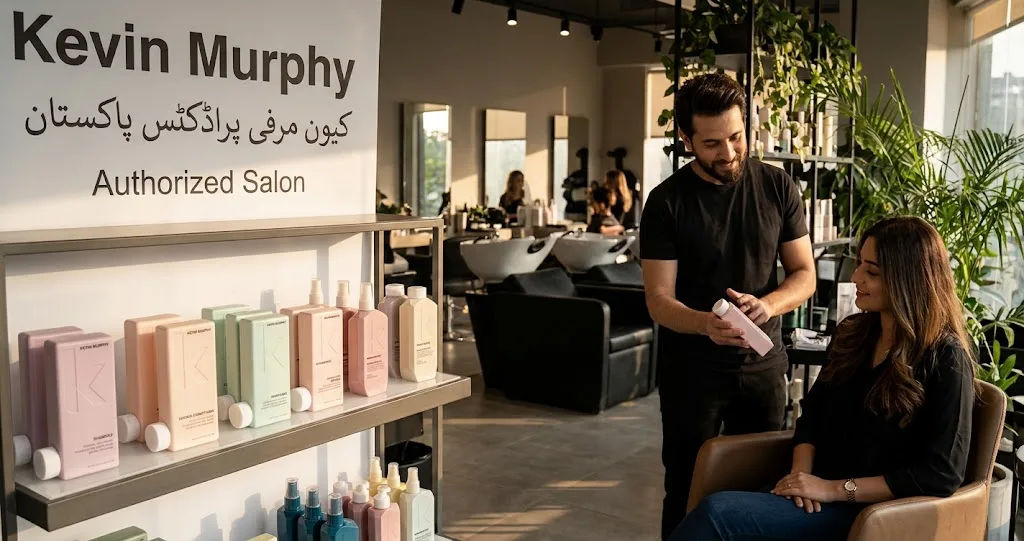
For people who regularly style their hair, kevin murphy products pakistan may be worth exploring when building a routine that supports smoother, shinier, and more manageable hair. Some products in the Kevin Murphy range are designed to provide thermal protection, while others focus on cleansing, conditioning, styling, or improving the appearance of damaged hair. Understanding these differences can help you choose products that match your hair type and styling habits.
The important question is whether these products can protect your hair from heat and how effectively they work. The answer depends on the specific product, the temperature of your styling tool, your hair's condition, and how you apply the product. This comprehensive guide explains the role of heat protectants, the benefits of professional hair care, and the best ways to build a routine for healthier-looking hair.
Heat Damage and Its Effects on Hair
Before choosing a heat protection product, it is important to understand what heat does to your hair.
Hair contains a protein called keratin, which gives each strand its structure and strength. The outer layer, known as the cuticle, helps protect the inner parts of the hair shaft. When hair is exposed to excessive heat, the cuticle can become rough, making strands more vulnerable to dryness, breakage, and tangling.
Repeated heat styling may also affect the hair's ability to retain moisture. As a result, hair can appear dull and feel rough even when you use conditioner regularly.
Common Signs of Heat-Damaged Hair
Heat damage can develop gradually, particularly when you use hot styling tools several times a week.
Common warning signs include:
-
Dryness: Your hair feels rough and lacks softness.
-
Split ends: The ends of individual strands begin to separate.
-
Breakage: Hair snaps more easily during brushing or styling.
-
Frizz: The hair surface becomes less smooth and harder to manage.
-
Reduced shine: Your hair looks dull instead of reflecting light evenly.
-
Poor elasticity: Wet strands may stretch unusually or break more easily.
These problems can affect almost every hair type. Fine hair may become fragile, while thick or curly hair may experience additional dryness and frizz.
Using a suitable heat protectant, reducing styling temperatures, and following a consistent conditioning routine can help minimize further damage.
Do Kevin Murphy Products Pakistan Protect Hair from Heat?
Yes, certain products from Kevin Murphy are designed to help protect hair during heat styling. However, it is essential to distinguish between products that specifically offer thermal protection and those that mainly provide moisture, cleansing, hold, or styling benefits.
The brand offers different product categories, including shampoos, conditioners, leave-in treatments, and styling products. Their benefits vary, so you should check the product description and packaging before relying on a particular item for heat protection.
How Heat Protectants Work
A heat protectant is formulated to help reduce the effects of heat exposure on the hair shaft.
Depending on its ingredients and formulation, it may create a thin, protective film over the hair surface. This film can help distribute heat more evenly, reduce friction, and limit some forms of damage associated with styling.
Some formulations also contain conditioning ingredients that improve softness and reduce tangling.
However, heat protection does not mean that hair becomes completely resistant to high temperatures. A protectant cannot make unlimited heat exposure safe, and it cannot restore hair that has already suffered significant structural damage.
For the best results, combine an appropriate product with lower styling temperatures and fewer passes of your styling tool.
Why the Specific Product Matters
Not every product from a professional hair care brand is intended for use with hot tools.
A moisturizing conditioner, for example, may improve softness without providing tested thermal protection. A styling cream may help control frizz but may not be suitable for use before a straightener.
When researching kevin murphy products pakistan, look for explicit statements about heat protection, thermal styling, blow-drying, or protection during the use of hot tools.
Follow the directions provided by the manufacturer, including instructions about application, damp or dry hair, and whether the product is intended for blow-drying or direct-heat styling.
Which Kevin Murphy Products Should You Consider for Heat Protection?
Choosing a product becomes easier when you understand your hair's needs and the type of styling you regularly perform.
Rather than selecting a product simply because it belongs to a professional range, identify the main problem you want to address.
Products for Blow-Drying
Blow-drying exposes hair to heated airflow. Although it is generally different from pressing a hot iron directly against the strands, frequent blow-drying can still contribute to dryness and damage.
If you blow-dry your hair regularly, consider a product specifically designed to support blow-drying and provide thermal protection.
Apply it according to the label instructions. Distribute the product evenly, paying attention to the mid-lengths and ends, which can become dry more easily.
Use a moderate dryer setting and keep the nozzle moving instead of directing concentrated heat at one section for too long.
Products for Straightening and Curling
Straighteners and curling irons can expose hair to intense, direct heat.
If these tools are part of your routine, choose a product whose instructions explicitly support the type of thermal styling you intend to perform.
Some products are intended for damp hair before blow-drying, while others may be suitable for dry hair before using hot tools. These applications are not interchangeable.
Never assume that a product provides protection against direct iron contact simply because it is marketed as a styling treatment.
Check the label carefully, and avoid using a product on dry hair if the manufacturer specifically directs you to apply it to damp hair.
Products for Dry or Damaged Hair
Hair that is already dry or damaged needs a gentle approach.
Conditioning treatments, suitable shampoos, and leave-in products can improve softness, manageability, and the appearance of damaged strands. However, these benefits should not automatically be treated as proof of thermal protection.
If your hair is bleached, chemically treated, or frequently colored, consider reducing the frequency of heat styling.
A suitable conditioning routine can complement a heat protectant, but it cannot reverse all damage caused by excessive temperatures.
How to Use Heat Protection Products Correctly
Even a well-formulated heat protectant may provide disappointing results if it is applied incorrectly.
The right technique helps distribute the product evenly and reduces the risk of leaving some sections unprotected.
Step 1: Choose the Right Shampoo and Conditioner
Begin with products that suit your hair type and scalp.
If your hair is dry, a moisturizing conditioner may help improve softness. If your scalp becomes oily quickly, choose a shampoo that cleanses effectively without leaving your hair feeling excessively stripped.
Shampoo and conditioner prepare your hair for styling, but they should not replace a dedicated heat protectant unless the product specifically provides that benefit.
Step 2: Remove Excess Water Gently
After washing, gently squeeze excess water from your hair using a soft towel.
Avoid rubbing aggressively because wet hair can be more vulnerable to mechanical damage.
If your heat protectant is intended for damp hair, apply it after removing excess water. If it is intended for dry hair, wait until your hair reaches the condition specified by the manufacturer.
Step 3: Apply the Product Evenly
Follow the recommended amount on the packaging.
Using too little may leave some sections inadequately covered. Applying excessive amounts can weigh down fine hair or create an unwanted residue.
Separate thick hair into sections to make application easier. Distribute the product through the areas that will be exposed to heat, paying particular attention to the lengths and ends.
Avoid applying styling products directly to the scalp unless the instructions specifically recommend it.
Step 4: Use an Appropriate Temperature
Heat protection should always be combined with temperature control.
Fine, fragile, bleached, or damaged hair generally requires a more cautious approach than strong, untreated hair.
Start with a lower effective temperature and increase it only when necessary. Avoid repeatedly passing a straightener over the same section.
There is no single temperature that is ideal for every person or hair type. Your hair's condition, styling tool, and desired result all matter.
Step 5: Finish Without Excessive Heat
Once your styling is complete, allow your hair to cool naturally.
Use a finishing product only when it serves a clear purpose, such as controlling frizz or improving shine. You do not need to apply multiple products simply to make your hair appear smoother.
A simple routine often makes it easier to identify which products actually benefit your hair.
Benefits of Using Professional Hair Care Products
Professional hair care products can offer several benefits when they are selected for the right purpose.
However, results depend on the formulation, how consistently you use the product, and the condition of your hair.
Improved Manageability
Conditioning and styling products can help reduce friction between strands.
This may make detangling easier and reduce the amount of force needed during brushing. Gentle handling is particularly important for hair that has already experienced heat or chemical damage.
Better-Looking Shine
Hair that lies relatively smoothly can reflect light more evenly, creating a shinier appearance.
Conditioning ingredients and suitable finishing products may help improve this effect.
Nevertheless, shine does not necessarily indicate that hair is undamaged. Hair can look smooth while still experiencing structural weakness.
Reduced Frizz
Frizz can develop when the hair surface becomes rough or when moisture conditions affect the strands.
Some styling products help control the appearance of frizz by smoothing the hair surface and improving manageability.
A heat protectant may contribute to a smoother styling result, but the extent of the benefit depends on the specific formulation.
Support for a Consistent Routine
Using products with clearly defined purposes can make your routine more effective.
For example, you might use shampoo for cleansing, conditioner for softness, a heat protectant for thermal styling, and a finishing product for appearance.
This approach is more useful than expecting one product to solve every hair problem.
How to Choose Products for Different Hair Types
Your hair type should influence your choice of heat protection products.
A product that works well for thick, coarse hair may be too heavy for fine hair. Similarly, a lightweight spray may not provide the conditioning benefits that very dry hair needs.
Fine Hair
Fine hair can become weighed down by rich creams and oils.
Look for lightweight products with clear heat-protection claims. Apply a moderate amount and focus on even distribution.
Avoid using several heavy styling products together unless you know that your hair responds well to them.
Thick Hair
Thick hair may require more time and careful sectioning during styling.
Choose a heat protectant suitable for your styling method and distribute it thoroughly through each section.
Working with smaller sections can help you achieve your desired result without repeatedly applying a hot tool to the same area.
Curly and Wavy Hair
Curly and wavy hair can be prone to dryness and frizz, although individual needs vary.
Conditioning products may help improve softness and manageability. If you use a diffuser, blow-dryer, or straightener, select a heat protectant that matches that styling method.
Avoid assuming that a product designed for blow-drying automatically offers the same protection during straightening.
Colored or Chemically Treated Hair
Coloring, bleaching, relaxing, and other chemical processes can change the hair's structure and make it more vulnerable to damage.
Use gentle cleansing and conditioning products, minimize unnecessary heat exposure, and choose a protectant suitable for your styling routine.
If your hair is breaking extensively, consider consulting a qualified hair professional before continuing frequent heat styling.
Heat Protection in Pakistan's Climate
Pakistan's climate can influence how your hair feels and behaves throughout the year.
In warmer, humid conditions, some people notice more frizz or difficulty maintaining a smooth hairstyle. In dry environments, hair may feel rougher or lose moisture more quickly.
Your location, indoor environment, hair type, and daily habits all contribute to these differences.
Managing Humidity and Frizz
During humid weather, consider products designed to improve smoothness and manage frizz.
Use only the amount needed to achieve your desired result. Heavy layering may make some hair types feel greasy or limp.
Remember that humidity control and thermal protection are separate benefits. A product that controls frizz does not necessarily provide adequate protection from a straightener.
Maintaining Hair During Hot Weather
Hot weather does not automatically mean that you need to use more heat styling products.
If possible, allow your hair to air-dry partially or completely when suitable for your hair type and routine.
When you do use a dryer, avoid excessive temperatures and prolonged exposure. If you swim regularly, follow an appropriate cleansing and conditioning routine to manage the effects of pool water and environmental exposure.
People researching kevin murphy products pakistan should consider these local conditions alongside the manufacturer's instructions rather than choosing products based only on marketing claims.
Common Mistakes to Avoid When Using Heat Protectants
A heat protectant is most useful when it forms part of a sensible styling routine.
Several common mistakes can undermine its benefits.
Using Too Much Heat
One of the biggest mistakes is assuming that a heat protectant allows you to use the highest temperature available.
It does not.
Repeated exposure to high temperatures can damage the hair even when a protective product is used. Choose the lowest temperature that produces your desired result.
Applying Products Unevenly
If you only spray the top layer of your hair, the sections underneath may receive less coverage.
Work in manageable sections and follow the recommended application method.
For thick hair, sectioning is particularly helpful because it makes distribution easier.
Confusing Moisture With Heat Protection
A moisturizing mask or conditioner can improve the feel of dry hair, but it may not be formulated for thermal styling.
Always check the product's stated benefits before using it as a heat protectant.
This distinction helps you build a routine in which each product serves a clear purpose.
Styling Hair That Is Too Wet
Unless a styling tool is specifically designed for wet hair, avoid using a conventional straightener on wet strands.
Excess water can increase the risk of damage when exposed to intense heat.
Dry your hair according to the tool manufacturer's directions and follow the instructions for your heat protectant.
Expecting Immediate Repair
Heat protectants help reduce the risks associated with styling, but they cannot permanently repair split ends or completely restore severely damaged hair.
Conditioning products may temporarily improve the appearance and feel of damaged strands.
If the ends are badly split, trimming them may be the most practical way to improve the overall appearance of your hair.
How to Build a Practical Hair Care Routine
A good routine does not need to contain a large number of products.
It should focus on your hair's needs and the amount of styling you perform.
For regular blow-drying:
-
Cleanse your hair with a suitable shampoo.
-
Apply conditioner according to your hair type.
-
Gently remove excess water.
-
Apply a heat protectant intended for blow-drying.
-
Dry using a moderate temperature and suitable airflow.
-
Finish with a lightweight styling product if necessary.
For occasional straightening:
-
Cleanse and condition your hair as needed.
-
Allow it to dry completely according to the styling tool's instructions.
-
Apply a protectant specifically suitable for straightening on dry hair.
-
Divide the hair into small sections.
-
Use the lowest effective temperature.
-
Avoid repeated passes over the same section.
For dry or damaged hair:
-
Choose gentle cleansing products.
-
Condition regularly.
-
Limit unnecessary hot-tool use.
-
Select a suitable heat protectant when styling.
-
Reduce friction during brushing and drying.
-
Trim severely split ends when appropriate.
These routines can be adapted to your schedule and hair type. Consistency is more important than using the largest possible number of products.
What Should You Check Before Buying Kevin Murphy Products in Pakistan?
When purchasing professional hair care products, verify both their suitability and their authenticity.
The product's name alone is not enough to establish whether it offers heat protection.
Read the Product Description
Check whether the product explicitly mentions thermal protection or suitability for the type of styling you perform.
Review the recommended application method, hair type, and any temperature-related instructions.
If the description is unclear, consult the manufacturer's official information or ask an authorized seller for clarification.
Check the Seller's Reliability
Buy from a reputable retailer that provides clear product information and reasonable customer support.
Check the packaging, product name, ingredients, and directions. Be cautious of unusually low prices or listings that provide little information about the item.
Availability, prices, and product selection can vary between retailers in Pakistan, so confirm these details before purchasing.
Match the Product to Your Budget and Needs
Professional products may cost more than some alternatives, but price alone does not establish effectiveness.
Consider how frequently you style your hair, how much product you need, and which benefits matter most.
A suitable heat protectant used correctly may be more useful than purchasing several products that perform overlapping functions.
Conclusion
So, do Kevin Murphy products Pakistan protect hair from heat? Yes, certain products in the Kevin Murphy range are designed to provide thermal protection, but not every product from the brand serves that purpose. The specific formulation, recommended application method, and type of heat styling all influence how useful a product will be.
If you regularly use a hair dryer, straightener, curling iron, or hot brush, look for a product that explicitly states it is suitable for your styling method. Follow the manufacturer's instructions and combine the product with sensible temperature control, gentle handling, and regular conditioning.
Your hair type also matters. Fine hair may benefit from a lightweight formulation, while thick, curly, or dry hair may need additional conditioning. Colored and chemically treated hair requires particular care because it can be more vulnerable to damage.
When comparing kevin murphy products pakistan, focus on the product's stated purpose rather than assuming that every shampoo, conditioner, or styling cream provides equal heat protection. Check the label, purchase from a reputable seller, and choose a routine that addresses your actual needs.
Most importantly, remember that heat protection is about reducing damage, not eliminating every risk. Even a suitable product cannot make excessive temperatures or repeated styling completely safe. By using the right protectant, limiting unnecessary heat, and maintaining a consistent hair care routine, you can support smoother, more manageable hair while helping preserve its condition over time.