
Category: Technology

The Difference In Pdf Text Extraction MethodsThe Difference In Pdf Text Extraction Methods

In the digital era, information is power, but often that power is locked away inside static documents. Imagine holding a treasure chest full of data, yet unable to access its riches. That’s the challenge many face when dealing with PDF Text Extraction. Not all methods are created equal. Some approaches deliver precise, structured text with elegance, while others stumble over formatting, images, or complex layouts. The contrast can be the difference between clarity and chaos.

Think about business reports, legal contracts, or research papers—where accuracy is not optional but essential. Now, picture the frustration of extracting garbled text when efficiency and precision matter most. The difference in methods is not just technical; it defines productivity, reliability, and even trust.

Understanding these distinctions allows professionals to harness smarter solutions, avoid unnecessary pitfalls, and streamline workflows. The journey from raw document to usable, editable text is filled with nuances worth exploring. Mastering these differences opens doors to better decision-making, faster processes, and greater control over data. The next step is simple: discover how varied approaches to PDF Text Extraction shape the way information is unlocked, interpreted, and ultimately transformed into actionable knowledge.

What Makes PDF Text Extraction Challenging?

Before exploring the different PDF text extraction methods, it’s crucial to understand why PDFs are so tricky to handle.

1. PDF as a Page Description Language

Unlike Word or HTML documents, PDFs are not structured around paragraphs or sentences. Instead, they use a page description language that tells the computer where to draw shapes, images, and text. Each element is positioned using coordinates rather than semantic meaning.

2. Lack of Standardized Structure

A PDF doesn’t inherently know that certain words form a sentence, or that a group of numbers makes up a table. This lack of document structure complicates text recognition.

3. Different Types of PDFs

  • Digitally generated PDFs – created directly from software like MS Word or Excel, usually easier to extract from.

  • Scanned PDFs – essentially images of documents; require Optical Character Recognition (OCR) to convert into text.

  • Hybrid PDFs – a mix of both, containing embedded text alongside scanned images.

Because of these variations, no single PDF text extraction method fits all situations.

Overview of PDF Text Extraction Methods

To truly grasp the difference in PDF text extraction methods, we can group them into three major categories:

  1. Text-based extraction – works on PDFs that already contain embedded text.

  2. Image-based extraction (OCR) – converts scanned images into text.

  3. Hybrid approaches – combine both techniques for maximum accuracy.

Let’s break these down.

Text-Based Extraction

How It Works

Text-based extraction methods directly read the character encoding from a PDF file. Since digitally generated PDFs embed fonts, character codes, and layout information, these tools can parse the text layer without needing OCR.

Common Tools and Libraries

  • PyPDF2 – popular Python library for basic extraction.

  • PDFMiner – specialized for layout analysis and more accurate text retrieval.

  • Apache PDFBox – Java-based solution with advanced parsing.

Advantages

  • Fast and lightweight.

  • High accuracy if the PDF text layer is intact.

  • Preserves encoding for search and indexing.

Limitations

  • Formatting can be messy (broken lines, missing spaces).

  • Doesn’t handle scanned PDFs at all.

  • Complex layouts (tables, multi-columns) often confuse extraction tools.

Image-Based Extraction (OCR)

How It Works

When a PDF is scanned, it becomes a collection of images. To retrieve text, Optical Character Recognition (OCR) software analyzes the shapes of characters, matches them against patterns, and converts them into machine-readable text.

Popular OCR Tools

  • Tesseract OCR – open-source and widely used.

  • Adobe Acrobat Pro OCR – commercial-grade accuracy.

  • ABBYY FineReader – industry-leading OCR solution.

Advantages

  • Makes scanned PDFs searchable and editable.

  • Handles handwriting (with varying success).

  • Can capture text from complex layouts, diagrams, and tables.

Limitations

  • Accuracy depends on scan quality.

  • Slower compared to text-based extraction.

  • Struggles with unusual fonts, poor contrast, or noisy backgrounds.

Hybrid PDF Text Extraction

How It Works

Many real-world PDFs are hybrids, containing both embedded text and images. Hybrid methods combine parsing with OCR:

  1. Extract the embedded text layer first.

  2. Apply OCR only where no text is detected.

Tools and Solutions

  • PDFPlumber with OCR integration

  • Adobe Acrobat mixed-mode OCR

  • Custom pipelines using PyPDF2 + Tesseract

Advantages

  • Maximizes accuracy across mixed PDFs.

  • Reduces processing time by limiting OCR to necessary regions.

  • Useful for legal, financial, and archival documents.

Limitations

  • More complex to implement.

  • Requires balancing between speed and accuracy.

Comparing the Methods Side by Side

Feature Text-Based Extraction Image-Based Extraction (OCR) Hybrid Extraction
Works with scanned PDFs No Yes Yes
Works with digital PDFs Yes ️ Sometimes (if converted) Yes
Speed Fast Slow ️ Moderate
Accuracy (clean PDFs) High ️ Medium High
Accuracy (poor scans) N/A ️ Low to Medium ️ Depends
Formatting preservation ️ Inconsistent ️ Difficult Balanced
Implementation complexity Simple ️ Moderate Complex

This table highlights the difference in PDF text extraction methods clearly: text-based is great for digital PDFs, OCR is essential for scanned ones, and hybrid offers flexibility at the cost of complexity.

Practical Applications of PDF Text Extraction

1. Business and Finance

Extracting invoices, receipts, and contracts requires accurate recognition of tables and structured data. OCR-enhanced hybrid methods are most effective here.

2. Academia and Research

Scholars often deal with scanned papers. Image-based extraction with OCR allows citation retrieval, text analysis, and indexing.

3. Legal Industry

Courts and law firms rely on digitized case files. Hybrid methods ensure both searchability and compliance.

4. Machine Learning and AI

Feeding structured text into ML pipelines often requires preprocessing extracted PDFs, making text-based methods preferable when possible.

Best Practices for PDF Text Extraction

Pre-Processing PDFs

  • Improve OCR accuracy by enhancing scan quality.

  • Deskew images to straighten crooked scans.

  • Remove noise and adjust contrast.

Choosing the Right Method

  • For digital PDFs → Text-based extraction.

  • For scanned PDFs → OCR-based extraction.

  • For mixed-use cases → Hybrid extraction.

Post-Processing Extracted Text

  • Use regular expressions to clean unwanted symbols.

  • Apply NLP techniques to structure unformatted text.

  • Validate results manually for critical documents.

Future of PDF Text Extraction

The landscape of PDF text extraction is evolving. AI and deep learning are enhancing OCR engines, enabling:

  • Context-aware recognition (understanding meaning, not just characters).

  • Improved multi-language support.

  • Smarter table and form extraction.

  • Real-time document digitization.

With cloud-based APIs from Google, Amazon, and Microsoft, organizations can now scale text extraction globally while maintaining accuracy.

Conclusion

When it comes to extracting valuable information from PDFs, the method you choose can make all the difference. Text-based extraction shines for digitally generated PDFs, offering speed and precision. Image-based OCR is indispensable for scanned files, unlocking content from what is essentially an image. Meanwhile, hybrid methods bridge the gap, delivering robust results in complex, real-world scenarios.

By understanding the difference in PDF text extraction methods, you gain control over one of the most essential tasks in today’s data-driven world. The choice boils down to your document type, accuracy needs, and processing scale. With the right approach, what was once a locked and inaccessible file becomes a goldmine of insights.

How ar animation changes storytelling rules?How ar animation changes storytelling rules?

Storytelling has always been at the heart of human connection. From cave paintings to cinema, each era brings a new way to share experiences, emotions, and imagination. Today, AR animation—augmented reality animation—is transforming that legacy in a way unlike anything before. By blending the digital and physical worlds, AR animation changes not only how stories are told but also how they are felt.

This technology invites audiences to step inside a narrative, interact with characters, and explore storylines as if they were part of them. For creators, it’s more than a visual upgrade—it’s a revolution in engagement, creativity, and emotion.

In this comprehensive guide, we’ll explore how AR animation is reshaping storytelling rules across industries. You’ll learn how it works, what makes it so powerful, and why it’s becoming the future of immersive storytelling.


The Evolution of Storytelling: From Static to Immersive

To understand the impact of AR animation, it’s essential to look back at how storytelling evolved.

In ancient times, stories were oral traditions passed from generation to generation. With the invention of writing, stories found permanence on tablets, paper, and eventually books. The rise of film and television added movement and sound, creating the foundation for visual storytelling.

Then came 3D animation and virtual reality—two technologies that made stories more vivid and lifelike. Yet, they still required screens or headsets to separate the audience from the experience.

AR animation, however, breaks that boundary. It merges digital animation with the physical world, transforming passive viewers into active participants.


What Is AR Animation?

AR animation stands for augmented reality animation. It overlays animated content onto real-world environments using devices such as smartphones, tablets, or AR glasses.

Unlike virtual reality (VR), which immerses users in a completely digital world, AR enhances the real world by adding digital layers that users can see and interact with.

Imagine pointing your phone at a poster, and suddenly, the characters leap out of it to tell their story. Or walking into a museum and watching historical figures animatedly explain artifacts. That’s the power of AR animation—it brings static reality to life.


How AR Animation Works

At its core, AR animation combines several technologies:

  1. Computer Vision – Helps devices recognize and interpret real-world objects and spaces.

  2. 3D Modeling and Animation – Creates digital assets, characters, and environments that can be placed in real settings.

  3. Tracking and Mapping – Ensures that digital elements stay anchored to physical locations as users move.

  4. AR Software and Engines – Platforms like Unity, Unreal Engine, and ARKit bring the animation to life with interactive programming.

When all these components come together, AR animation enables a seamless blend of the digital and physical—something static media could never achieve.


The New Storytelling Paradigm

Traditional storytelling follows a linear path: beginning, middle, and end. The audience watches passively.

AR animation breaks this linearity. It introduces interactive narratives where users can choose perspectives, trigger events, or influence outcomes.

Instead of simply watching a story, people experience it. For instance, in an AR-based children’s book, readers might tap objects to animate them, hear characters talk, or walk around scenes as they unfold.

This interactivity turns storytelling into an emotional, participatory journey. The result? Stories are not just remembered—they’re lived.


Key Ways AR Animation Changes Storytelling Rules

1. The Audience Becomes the Co-Creator

In traditional media, creators control every frame. But AR animation hands part of that control to the audience.

Viewers can explore storylines in their own way—by moving, interacting, or discovering hidden layers. This transforms storytelling from one-way communication into collaboration.

Imagine a detective AR story where you scan clues in your room to solve mysteries. Each choice you make shapes the ending. That’s not just storytelling—it’s story building.

2. Blurring the Line Between Reality and Fiction

One of the most striking aspects of AR animation is how it blends fiction with the user’s surroundings.

A dragon can fly through your living room. Historical events can replay in your city square. Fictional characters can walk beside you as you move through real spaces.

This seamless blending makes narratives feel authentic, emotional, and unforgettable.

3. Emotional Immersion and Connection

AR animation triggers deeper emotional engagement. When a story unfolds in your environment, it feels personal.

You’re no longer an observer—you’re inside the experience. For example, an AR short film about climate change could show melting ice caps spreading across your desk, turning an abstract issue into something tangible and urgent.

4. Breaking Space and Time Constraints

In film or literature, stories happen within confined settings. AR animation removes those limits.

It allows scenes to unfold anywhere—in your room, on the street, or even projected onto landmarks. This freedom gives storytellers new creative possibilities to explore scale, geography, and time.

5. Adaptive Storytelling

Every user’s experience with AR animation can be unique. The technology can respond to gestures, location, or even emotional cues.

For instance, in an AR game narrative, the story could adapt based on where you are or how you interact. This personalized storytelling makes every viewer’s journey distinctive.


The Impact of AR Animation on Different Industries

Entertainment and Media

Entertainment is where AR animation shines brightest. From AR music videos to interactive TV ads, it’s redefining how audiences engage with content.

Brands like Netflix and Disney have started experimenting with AR scenes that extend beyond the screen. Viewers can use their devices to explore behind-the-scenes stories or step into iconic worlds.

Education

AR animation transforms learning into exploration. Instead of reading about the solar system, students can walk around 3D planets orbiting their desks.

Complex subjects become easier to grasp when learners can visualize and interact with them. This makes AR animation a powerful educational tool.

Marketing and Branding

Brands use AR animation to tell stories that engage customers emotionally.

A perfume ad could let users see the “essence” of a fragrance come alive in their space. A car commercial could let potential buyers explore a 3D model in their driveway.

These experiences turn marketing into storytelling that captivates and converts.

Tourism and Museums

AR animation brings historical and cultural stories to life. Tourists can use their phones to see how ancient ruins once looked or hear historical figures narrate their past.

Museums have adopted AR exhibits where artifacts “speak” through animation, creating deeper connections with visitors.

Healthcare and Therapy

Storytelling through AR animation is even helping in therapy and rehabilitation.

Patients can visualize recovery processes or engage in calming interactive experiences designed to reduce stress. Emotional storytelling within these sessions promotes healing and motivation.


The Creative Process Behind AR Animation Storytelling

Creating an AR animation story requires more than animation skills—it’s a blend of art, technology, and psychology.

1. Concept Development

The creator defines the story’s purpose and how AR will enhance it. Unlike film, the narrative must account for user movement and interaction.

2. Storyboarding and Mapping

Traditional storyboards evolve into spatial maps, showing how digital elements will interact with real environments.

3. Character and Environment Design

Designers craft 3D models that respond naturally to lighting and space. Every element must feel integrated with the real world.

4. Scripting for Interaction

Instead of linear dialogue, writers create branching narratives where user choices or locations trigger responses.

5. Testing and Optimization

Because AR animation relies on real-world variables, testing in different environments is crucial. Performance, tracking, and realism must align to ensure immersion.


Challenges in AR Animation Storytelling

While AR animation is powerful, it comes with challenges that creators must overcome.

  1. Technical Limitations – Rendering realistic animations in real-time can strain mobile devices.

  2. Accessibility – Not everyone owns AR-compatible hardware, limiting audience reach.

  3. User Experience – Poor calibration or tracking breaks immersion quickly.

  4. Story Design Complexity – Non-linear storytelling requires intricate planning and testing.

Despite these hurdles, innovation continues. As technology advances, AR animation is becoming more stable, affordable, and accessible.


The Psychology of Immersion in AR Animation

Why does AR animation captivate us so deeply? The answer lies in human psychology.

When digital elements interact with our environment, our brains perceive them as real. This cognitive blending of virtual and physical worlds enhances emotional response and memory retention.

It’s the same principle behind why children believe in imaginary friends—but amplified through technology. AR animation revives that sense of wonder, curiosity, and belief in impossible worlds.


The Role of Sound and Emotion

Sound design in AR animation plays a crucial role. Directional audio helps users locate digital characters or actions within their environment.

For instance, if a bird flies behind you in an AR story, you’ll hear its wings flutter from that direction. This spatial sound enhances realism and immersion.

Combined with emotional music and voice acting, AR animation can evoke powerful feelings of empathy, suspense, or joy.


Future of AR Animation Storytelling

The future of AR animation looks limitless. With the rise of AR glasses, wearable tech, and 5G connectivity, interactive stories will become seamless parts of daily life.

Imagine walking through a city where every corner reveals a hidden narrative. Or classrooms where students can relive history, not just read about it.

The boundary between reality and imagination will blur further, giving birth to stories that evolve dynamically based on time, mood, or even social context.

In the near future, AR animation might integrate with AI to create adaptive storylines that learn from users’ choices and emotions, making every story unique and deeply personal.


Why AR Animation Is the Future of Storytelling

  1. It Engages the Senses – Viewers see, hear, and interact with stories in their own space.

  2. It Builds Emotional Bonds – Stories feel more personal when they unfold around you.

  3. It Encourages Exploration – Users actively participate, making stories memorable.

  4. It Opens Creative Frontiers – No limits on space, scale, or interaction.

  5. It Merges Worlds – Physical and digital realities become one narrative canvas.

These factors prove that AR animation isn’t just a trend—it’s a transformation.


Conclusion

Storytelling has always evolved alongside technology, but AR animation represents a leap, not just a step. It breaks the invisible wall between audience and story, turning passive watching into active living.

This evolution isn’t about replacing traditional narratives—it’s about expanding them. Whether in entertainment, education, marketing, or art, AR animation empowers creators to blend emotion, interaction, and reality like never before.

As technology advances, the line between real and imagined will fade, leaving only one question for storytellers: How will you make your audience feel part of your world?

AR animation is not the future—it’s the present of storytelling. And those who master it today will define how humanity shares stories tomorrow.

KMSPico vs KMSAuto – Best Free Activator for Microsoft Office and Windows in 2025KMSPico vs KMSAuto – Best Free Activator for Microsoft Office and Windows in 2025

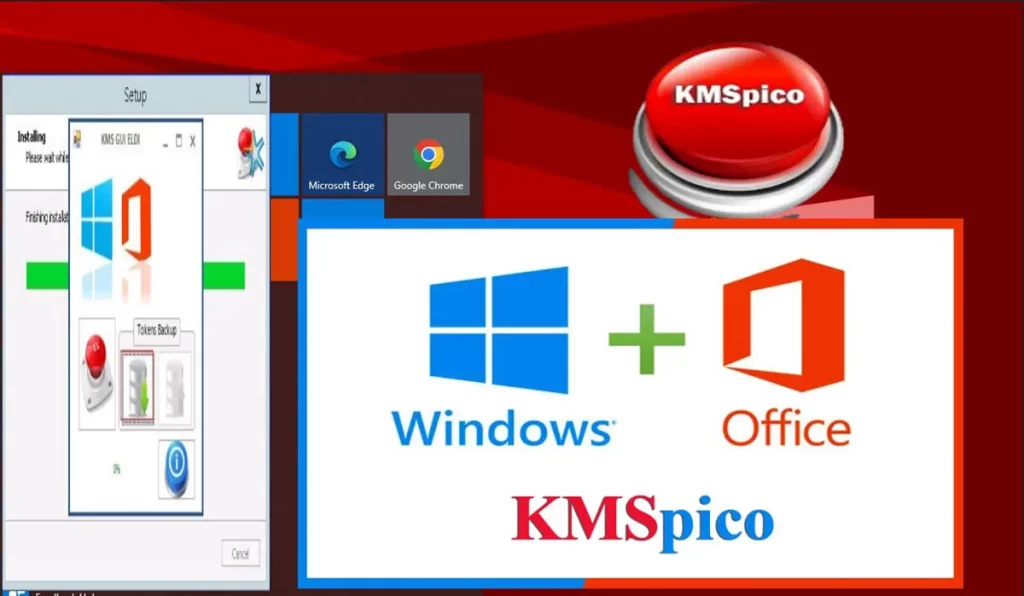
In the modern digital era, having fully functional Windows and Office software is essential for productivity, learning, and professional work. Many users struggle with costly licenses and activation issues, which can slow down work and limit access to key features. This is where kmspico download windows activate becomes invaluable. KMSpico is a trusted software tool that allows users to activate Windows and Office products safely and effectively. By following the correct steps for downloading and installing the software, users can enjoy full access to their Windows environment without worrying about subscription fees or activation errors. Its popularity stems from its simplicity, reliability, and ability to support a wide range of Windows versions, making it a go-to solution for millions of users worldwide.

Getting started with kmspico download windows activate is straightforward, especially when following proper guidelines. The first step is to visit the official KMSpico website or a trusted source to ensure you are downloading the authentic version. Avoiding unofficial sites is crucial because they may contain malware or fake software that can compromise your computer’s security. Once on the official page, the download link is typically easy to locate at the top or bottom of the page. After downloading the installer, you may need to temporarily disable antivirus programs like Windows Defender, as KMSpico requires access to system files to complete activation. Running the program as administrator ensures smooth installation, and a system restart finalizes the process, allowing your Windows and Office software to function fully.

KMSpico supports multiple Windows versions, including Windows 7, 8, 10, and the latest Windows 11. Users of Windows 11 can use KMSpico 11.2.1, which is specifically updated to work with new security features and system patches. After downloading the correct version, installation is simple. Right-click the installer, select “Run as administrator,” follow the prompts, and restart your computer. Once the system reboots, Windows and Office are fully activated, giving you access to all features without limitations. KMSpico’s ongoing updates ensure compatibility with future Windows versions, making it a dependable long-term activation solution for users who need uninterrupted access to Microsoft products.

Safety is a primary concern when using kmspico download windows activate, and following recommended steps can minimize risks. Always download KMSpico from the official site to avoid malware and unnecessary software conflicts. Temporarily pausing antivirus protection during installation is necessary, but it can be safely re-enabled afterward. Selecting the version compatible with your Windows operating system is essential, as incompatible software may not activate your programs correctly. Additionally, it is advisable not to run KMSpico repeatedly after activation, as this may interfere with the system’s activated status. Following these steps ensures a safe, secure, and effective activation process.

One of the main advantages of kms activation is its ease of use and efficiency. Unlike other activation methods that require multiple license keys or complex command prompts, KMSpico completes activation with just a few clicks. The software is lightweight, so it has minimal impact on computer performance, and it can be removed after activation without affecting the activated status of your Windows and Office programs. These features make KMSpico suitable for users of all technical levels, whether beginners, students, or professionals, who want a hassle-free solution for activating Microsoft products and accessing their full capabilities.

In conclusion, kmspico download windows activate offers a reliable, free, and efficient way to unlock the full potential of Windows and Office software. By downloading the tool from trusted sources and following proper installation steps, users can enjoy uninterrupted access to all software features without worrying about license fees or activation errors. KMSpico supports multiple versions of Windows, offers ongoing compatibility updates, and ensures that activation is simple and secure. For anyone looking to optimize their computer experience, visiting the official KMSpico website to download the software is a smart decision. Take control of your Windows and Office experience today and enjoy the convenience of fully activated software with just a few clicks.

The SIM Card: A Small Chip With a Big Impact on CommunicationThe SIM Card: A Small Chip With a Big Impact on Communication

In the era of instant messaging, social media, and 5G networks, the mobile phone has become one of the most powerful and indispensable tools in modern life. While most people are familiar with their smartphones, the small chip that helps connect those devices to the world often goes unnoticed. This humble, yet crucial, component is the SIM card (Subscriber Identity Module). Despite its small size, the SIM card is a key element in mobile technology, enabling communication, security, and global connectivity.

What is a SIM Card?

A SIM card is a small chip that fits into your mobile phone and connects it to your mobile carrier's network. It serves as a unique identifier, allowing the network to recognize the user and provide access to its services, including voice calls, text messaging, and mobile data. Without the SIM card, your phone wouldn't be able to access cellular networks or function as a communication device.

At its core, the SIM card contains essential information that makes it possible for your device to connect to a mobile network. This includes:

  • Your phone number: Assigned by your carrier.
  • Authentication keys: Used for secure communication with the network.
  • IMSI (International Mobile Subscriber Identity): A unique identifier that tells the network who you are and which carrier you belong to.
  • Service provider settings: Details that help configure the device to use the correct network and services.

The Origins of the SIM Card

The first SIM card was introduced in the early 1990s alongside the GSM (Global System for Mobile Communications) network, a revolutionary standard for mobile communication. Before SIM cards, mobile phones were locked to specific carriers, and switching phones or providers was a difficult, if not impossible, task. The SIM card made it possible to remove a small piece of hardware and swap it into another device, thus offering portability and flexibility for mobile phone users.

The concept of the SIM card was designed to address the need for a universal and portable means of connecting to mobile networks, regardless of the device. This small chip provided an identity to the user, and as mobile phones evolved, the role of the SIM card only grew more significant.

The Different Types of SIM Cards

As mobile technology advanced, so did the design of SIM cards. Over time, the size and features of SIM cards were optimized to meet the demands of newer, smaller devices. The most common types of SIM cards include:

  1. Standard SIM: The original, larger form of the SIM card (25mm x 15mm), used in early mobile phones. While it is largely obsolete today, it is still found in older devices.

  2. Micro SIM: Smaller than the standard SIM, measuring 15mm x 12mm, this version was introduced to accommodate the thinner designs of modern smartphones. It’s still used in some devices, but newer models have largely moved on.

  3. Nano SIM: The smallest version of the SIM card, measuring just 12.3mm x 8.8mm. Most current smartphones, including the iPhone, Android devices, and others, now use nano SIMs due to their small size.

  4. eSIM: The embedded SIM (eSIM) is a newer innovation in the world of SIM cards. Unlike traditional SIM cards that can be physically swapped out, eSIMs are integrated directly into a device’s hardware. This digital SIM allows users to switch carriers and activate service plans remotely through software, eliminating the need to physically handle SIM cards.

How SIM Cards Work: A Simple Process

Despite their complexity, the process by which SIM cards work is relatively straightforward. Here's how they facilitate mobile communication:

  1. Authentication: When you power on your device, the SIM card communicates with the mobile carrier's network. It sends the IMSI (International Mobile Subscriber Identity) to authenticate your device on the network. The network verifies that your SIM is authorized to access the services, such as voice calls, data, and text messaging.

  2. Voice and Data Transmission: Once authenticated, the SIM card allows your phone to send and receive calls and data. Your device uses the SIM card to connect to the nearest base station or cell tower, which then forwards your communication to the carrier’s network.

  3. Encryption: The SIM card also plays a role in securing your communication. It stores encryption keys that are used to protect the data sent over the mobile network. This ensures that calls, messages, and other forms of communication are secure and private.

  4. Roaming and Global Connectivity: SIM cards also facilitate roaming – the ability to use your phone when traveling abroad. Many SIM cards are designed to automatically detect when you’ve moved to a different region or country, and they will connect to a local carrier’s network for better coverage and lower roaming costs.

SIM Cards and Global Mobility

One of the most appealing features of SIM cards is their portability. You can easily remove the SIM card from one device and place it into another, without losing your phone number or personal information. This flexibility allows you to upgrade to a new phone or switch to a backup device without any hassle. Additionally, traveling internationally becomes easier with the ability to swap SIM cards to use local mobile networks, avoiding high roaming fees.

For travelers, purchasing a local SIM card in a foreign country is a common strategy to save on roaming charges. This gives you access to local data, voice, and text services at lower rates, which is often far cheaper than paying for international roaming plans.

The Role of eSIM in Modern Devices

In recent years, eSIM technology has begun to replace traditional, physical 本地無限上網卡 cards in newer smartphones, tablets, and wearables. Instead of a physical chip, an eSIM is embedded into the device’s motherboard. This innovation allows users to switch between carriers, update their service plans, or activate new numbers without needing to physically remove or insert a SIM card.

Benefits of eSIMs include:

  • Remote Activation: Users can switch mobile providers without the need for a physical SIM card.
  • Multiple Profiles: You can store multiple carrier profiles on a single eSIM, which is useful for frequent travelers or individuals who need separate work and personal numbers.
  • Space Efficiency: With no need for a removable SIM card slot, devices can be made slimmer and more efficient, which is particularly important in the design of compact devices like smartwatches.

As eSIM technology gains traction, it is expected to become the dominant form of connectivity, especially in future-proof devices like 5G smartphones and Internet of Things (IoT) devices.

SIM Cards and Security

Beyond enabling connectivity, SIM cards also play an important role in maintaining the security of your mobile communications. The encryption keys stored on a SIM card help secure your phone’s communications by scrambling the data being sent and ensuring that it cannot be intercepted by unauthorized third parties.

Additionally, the PIN (Personal Identification Number) feature of SIM cards provides an extra layer of security. If your phone is lost or stolen, the PIN can prevent someone from using the SIM card in another device.

The Future of SIM Cards

The SIM card, though small, has had a profound impact on the way we connect and communicate. As technology advances, we are seeing a shift from physical SIM cards to digital alternatives like eSIMs, offering more flexibility, security, and functionality.

With the ongoing expansion of 5G networks, the role of SIM cards will continue to evolve, particularly as mobile connectivity becomes more integrated into everyday life. From supporting IoT devices to enabling seamless transitions between carriers, SIM cards—whether physical or embedded—will remain central to how we access mobile services.

Conclusion

While often overlooked, the SIM card remains a fundamental part of the mobile experience, providing users with the ability to stay connected, secure, and mobile in an increasingly interconnected world. As technology progresses and digital SIM solutions like eSIM take the spotlight, the SIM card will continue to shape the future of communication, ensuring that we can enjoy faster speeds, greater flexibility, and more seamless connectivity than ever before.

KMSPico Compatibility Guide for Different Windows VersionsKMSPico Compatibility Guide for Different Windows Versions

In today’s digital era, having fully activated and functional software is crucial for productivity, learning, and personal projects. Many users face limitations with unactivated Windows or Office versions, restricting access to essential features, updates, and security tools. This is where kmspico download windows activate becomes a game-changer. KMSpico is a trusted activator software that allows users to activate Windows and Microsoft Office for free. By visiting our website, customers can safely download the official KMSpico software, ensuring a secure activation process without the risk of malicious programs or errors. Our platform provides step-by-step instructions to make the experience simple and stress-free for users of all levels.

Downloading activation kms from our website is straightforward and convenient. Users begin by accessing our secure platform to get the latest official version of KMSpico. Ensuring that the software is downloaded from a trusted source is essential to avoid viruses or unwanted software. Once downloaded, it is recommended to temporarily disable antivirus or Windows Defender protection, which can otherwise block the installation. Running the installer as an administrator and following the simple prompts allows the software to activate Windows and Office seamlessly. A quick restart of the computer completes the activation, giving immediate access to all the features that were previously locked.

One of the main advantages of using kmspico download windows activate is its compatibility with multiple versions of Windows and Office. For example, Windows 7, 8, and 10 users can use KMSpico 10.2.0, while Windows 11 users can activate their system with KMSpico 11.2.1, which is tailored for the latest security updates and system improvements. Our website provides clear, version-specific instructions to ensure that users download the correct software for their operating system. This reduces errors, ensures smooth operation, and guarantees that the activation process is both reliable and efficient, making it ideal for all types of users.

Safety is a top priority when using kmspico download windows activate. By downloading from our official website, users minimize the risk of viruses or malware. Our guide emphasizes the importance of temporarily disabling antivirus software during installation and provides detailed instructions for safe usage. Once the activation is complete, users can reactivate their antivirus without affecting the software’s functionality. Following these precautions ensures that the activation process is secure, giving users peace of mind while enjoying the full benefits of Windows and Office.

Another major benefit of kmspico download windows activate is its cost-effectiveness and convenience. Traditional activation methods often require expensive licenses and lengthy procedures. KMSpico eliminates these hurdles by providing a fast, free, and effective solution. The software is lightweight and easy to use, with the option to remove it after activation while retaining all Windows and Office features. This flexibility makes it perfect for students, professionals, and casual users who want to enjoy full access without the burden of additional costs or complicated steps.

In conclusion, kmspico download windows activate is an essential tool for anyone looking to unlock the full potential of their Windows and Microsoft Office software. Our website offers a secure platform to download the official KMSpico activator, complete with instructions and safety tips for users of all experience levels. By following our guide, you can activate your Windows and Office software quickly, safely, and efficiently. Visit our website today to access kmspico download windows activate and take the first step toward a fully activated and high-performance computer experience, enhancing productivity, creativity, and enjoyment.