The idea of an AI companion is no longer science fiction. Today, many people interact daily with digital assistants that can chat, help solve problems, and even provide emotional support.
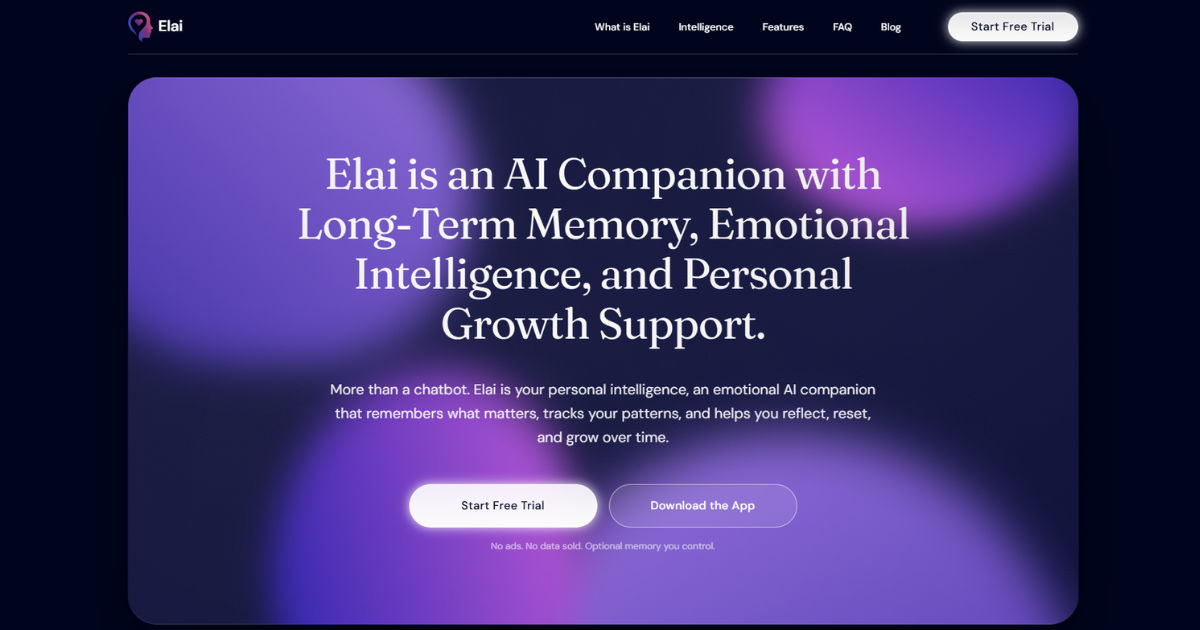 But what actually makes an AI companion system intelligent? Why do some feel natural and helpful, while others seem robotic or limited?
An AI companion is designed to simulate human-like interaction, but true intelligence in such a system goes far beyond simple responses.
It involves understanding context, learning from users, adapting behavior, and offering meaningful engagement. In this guide, we will explore the key elements that make an AI companion system intelligent, in a way that is easy to understand and relevant for a 12th-grade audience.
Understanding the Concept of an AI Companion
An AI companion is a software system that interacts with users in a conversational and supportive way. Unlike basic chatbots, an AI companion is designed to build a relationship with the user over time.
Key Features of an AI Companion
- Conversational ability
- Emotional awareness
- Personalization
- Continuous learning
The intelligence of an AI companion depends on how well it combines these features into a seamless experience.
Natural Language Understanding
One of the most important factors that makes an AI companion intelligent is its ability to understand human language.
What is Natural Language Understanding?
Natural Language Understanding (NLU) allows an AI companion to interpret what a user is saying, even if the sentence is complex or informal.
For example:
- “I’m feeling a bit down today”
- “Can you help me with my homework?”
An intelligent AI companion does not just read words—it understands meaning.
Why It Matters
Without strong language understanding:
- Conversations feel unnatural
- Responses may be irrelevant
- Users lose trust quickly
A smart AI companion can:
- Detect tone
- Understand slang
- Recognize intent
Context Awareness
Context awareness is what separates a basic chatbot from a truly intelligent AI companion.
What is Context?
Context refers to remembering previous parts of a conversation and using them to respond appropriately.
Example:
- User: “I have an exam tomorrow.”
- Later: “I’m nervous.”
An intelligent AI companion understands that the nervousness is about the exam.
Benefits of Context Awareness
- More natural conversations
- Reduced repetition
- Better problem-solving
Without context, an AI companion feels forgetful and disconnected.
Personalization and Learning
An intelligent AI companion adapts to each user over time.
How Personalization Works
The AI companion collects information such as:
- Preferences
- Interests
- Communication style
It then uses this data to tailor responses.
Example
If a user prefers short answers, the AI companion adjusts accordingly. If the user enjoys jokes, it may include humor.
Continuous Learning
A key part of intelligence is learning from interactions:
- Improving responses
- Avoiding past mistakes
- Becoming more helpful over time
Emotional Intelligence
Emotional intelligence is what makes an AI companion feel more human.
What is Emotional Intelligence?
It is the ability to:
- Recognize emotions
- Respond with empathy
- Provide appropriate support
Example
User: “I failed my test.”
Basic response: “That is unfortunate.”
Intelligent AI companion: “I’m sorry to hear that. Do you want help preparing for the next one?”
Why It Matters
- Builds trust
- Enhances user experience
- Encourages long-term engagement
An AI companion that understands emotions can support users in meaningful ways.
Decision-Making Ability
An intelligent AI companion can make decisions based on available information.
How It Works
The system analyzes:
- User input
- Context
- Past interactions
Then it chooses the best possible response.
Example
If a user asks for study help, the AI companion might:
- Provide explanations
- Suggest resources
- Offer practice questions
This shows active problem-solving, not just passive responding.
Knowledge Base and Accuracy
An AI companion must have access to accurate and up-to-date information.
Why Knowledge Matters
- Users rely on correct answers
- Misinformation reduces trust
Intelligent Knowledge Use
A smart AI companion:
- Retrieves relevant information
- Simplifies complex ideas
- Explains clearly
It is not just about having data, but using it effectively.
Adaptability
Adaptability is a key sign of intelligence in an AI companion.
What Does Adaptability Mean?
The ability to adjust based on:
- Different users
- Changing topics
- New situations
Example
An AI companion may:
- Switch from casual chat to academic help
- Adjust tone depending on mood
- Handle unexpected questions
Adaptability makes the system flexible and reliable.
Human-Like Conversation Flow
A natural conversation flow is essential for an intelligent AI companion.
Characteristics of Good Flow
- Smooth transitions
- Logical responses
- No repetition
Example
Instead of:
- “Hello. How can I help?”
- “Hello again. How can I help?”
An intelligent AI companion avoids repetition and keeps the conversation engaging.
Ethical Awareness and Safety
An intelligent AI companion must also behave responsibly.
Key Ethical Considerations
- Respecting user privacy
- Avoiding harmful content
- Providing safe advice
Why It Matters
Users trust an AI companion with personal information. Ethical behavior ensures:
- Safety
- Reliability
- Positive impact
Multimodal Capabilities
Modern AI companion systems are not limited to text.
What is Multimodal AI?
It can process:
- Text
- Voice
- Images
Example
An AI companion might:
- Listen to voice commands
- Analyze images
- Respond in speech
This makes interactions more dynamic and realistic.
Memory and Long-Term Interaction
Memory plays a major role in intelligence.
Types of Memory
- Short-term memory (current conversation)
- Long-term memory (past interactions)
Benefits
An AI companion that remembers:
- Feels more personal
- Reduces repetition
- Improves user satisfaction
Real-Time Responsiveness
Speed is also important.
Why Speed Matters
- Delays break conversation flow
- Quick responses feel more natural
An intelligent AI companion processes information quickly and responds instantly.
Scalability and Performance
A strong AI companion system can handle many users at once.
Key Factors
- Efficient processing
- Stable performance
- Consistent quality
This ensures reliability even under heavy use.
Integration with Other Systems
An intelligent AI companion often connects with other tools.
Examples
- Calendar apps
- Learning platforms
- Smart devices
Benefits
Integration allows the AI companion to:
- Perform tasks
- Provide reminders
- Enhance productivity
User Feedback and Improvement
Feedback helps improve intelligence.
How Feedback Works
Users may:
- Rate responses
- Report errors
- Suggest improvements
The AI companion uses this data to:
- Learn
- Adapt
- Improve
Challenges in Building an Intelligent AI Companion
Creating an intelligent AI companion is not easy.
Common Challenges
- Understanding complex emotions
- Avoiding bias
- Maintaining accuracy
- Protecting privacy
Despite these challenges, technology continues to improve.
Future of AI Companion Systems
The future of the AI companion is very promising.
Expected Advancements
- Better emotional understanding
- More realistic conversations
- Deeper personalization
- Enhanced learning abilities
AI companions may become:
- Study partners
- Mental health supporters
- Daily assistants
Conclusion
An intelligent AI companion is much more than a chatbot. It combines language understanding, emotional intelligence, context awareness, and continuous learning to create meaningful interactions. The most advanced AI companion systems can adapt to users, remember past conversations, and provide helpful, accurate responses in real time.
The intelligence of an AI companion lies in its ability to behave in ways that feel natural, supportive, and reliable. From understanding human emotions to offering personalized assistance, these systems are becoming an important part of modern life.
As technology continues to evolve, the capabilities of AI companion systems will only grow stronger. In the future, an AI companion may become an essential partner in education, work, and daily living.
Understanding what makes an AI companion intelligent helps us appreciate the technology behind it and prepares us for a world where human and artificial intelligence work together more closely than ever before.